Last updated November 21, 2026
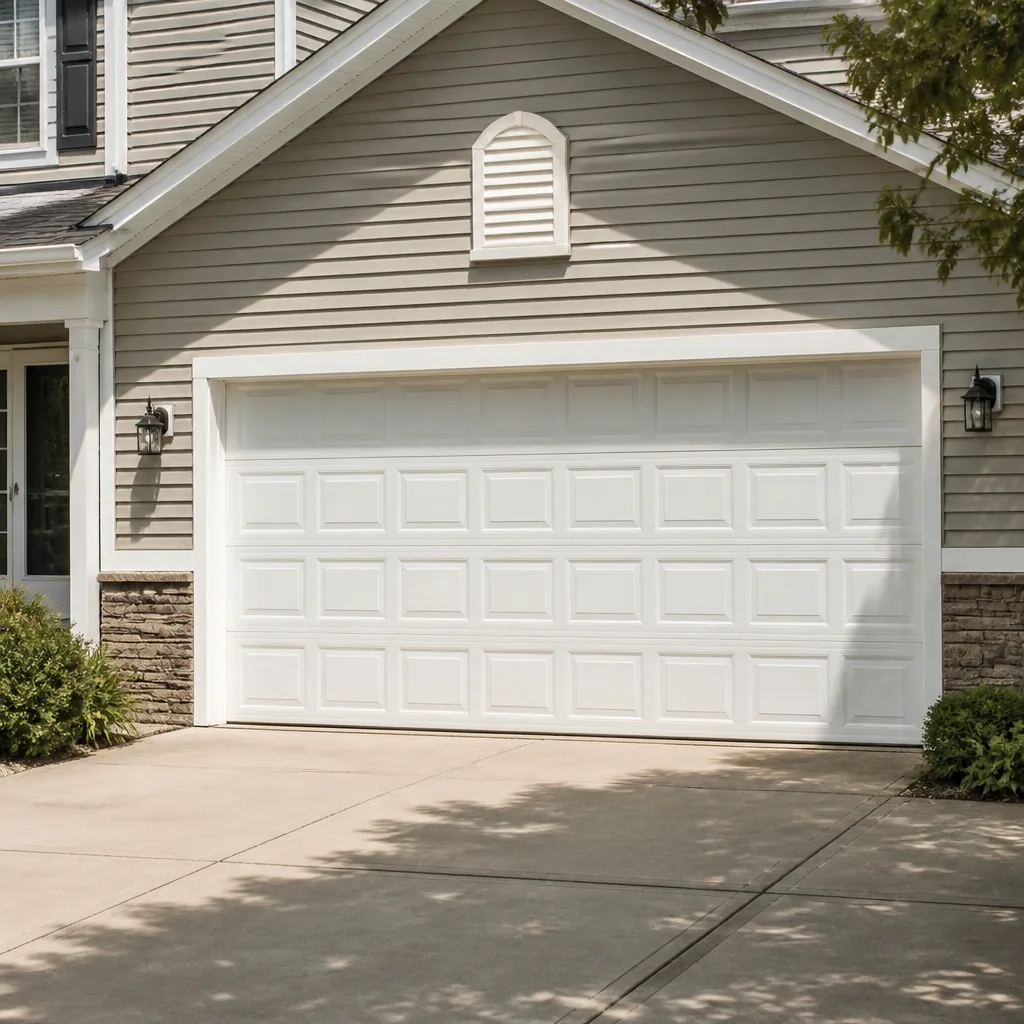 Raised-panel steel
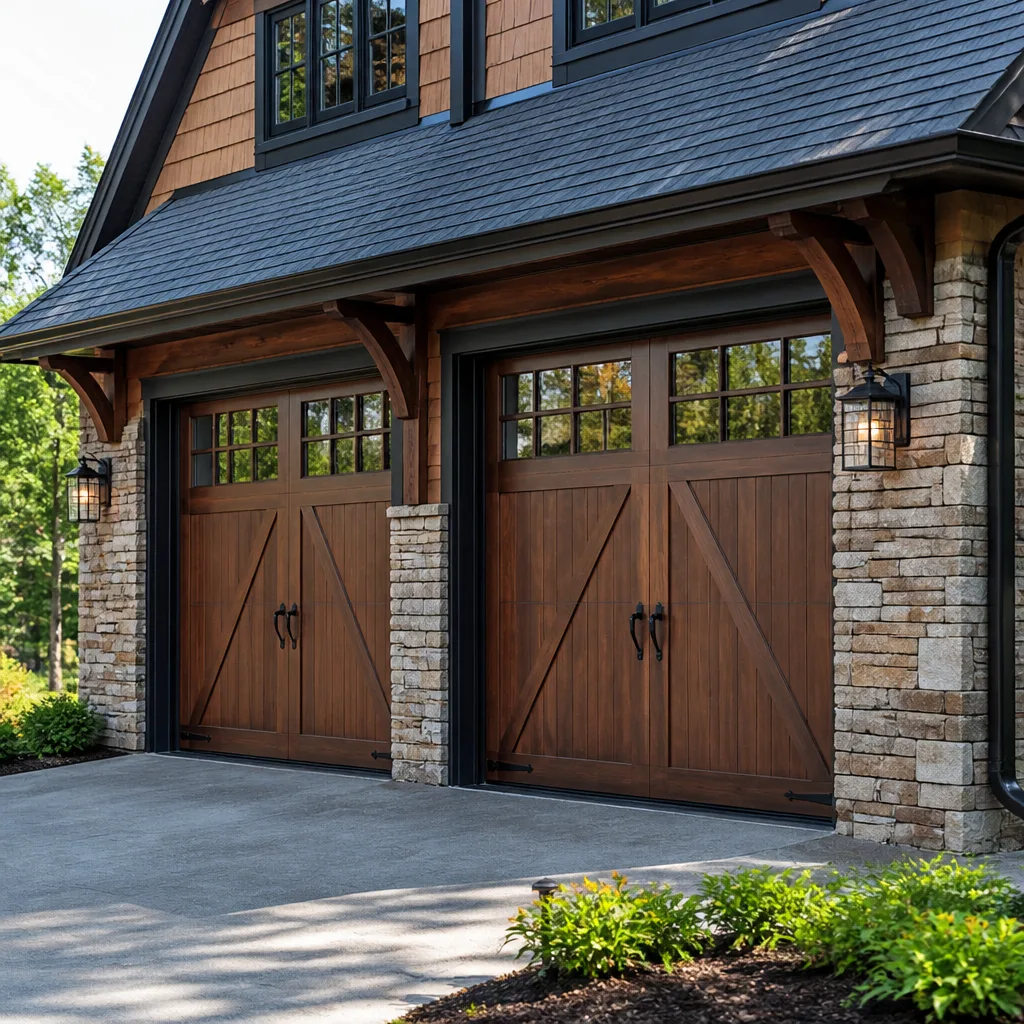 Carriage house
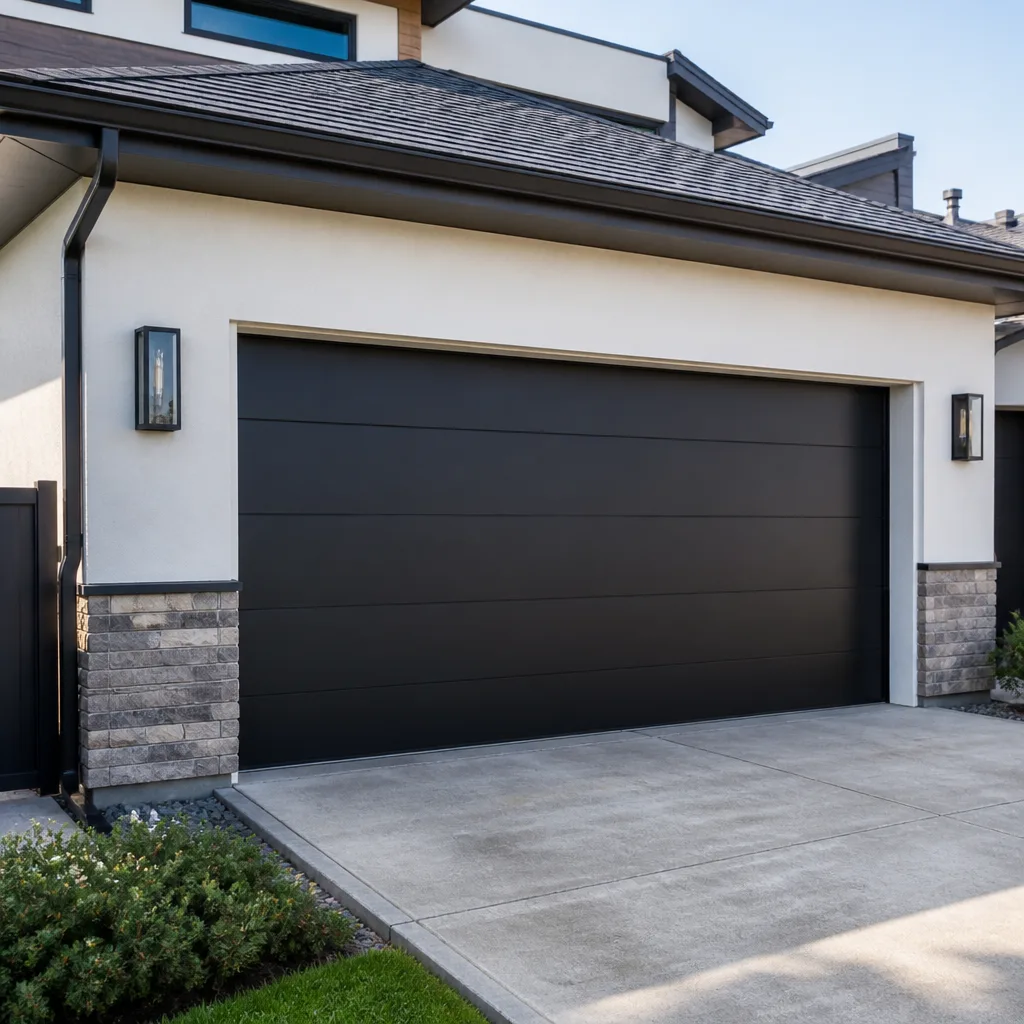 Modern flush
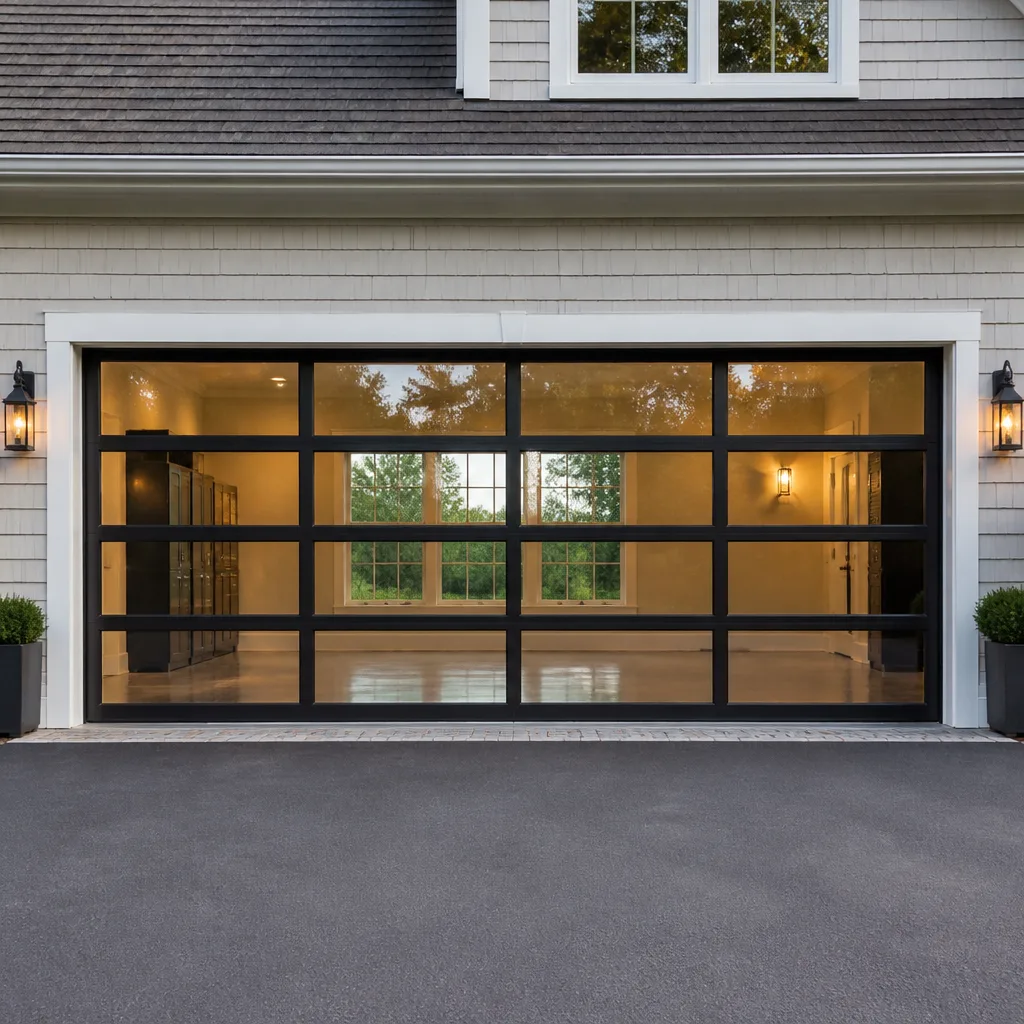 Full-view glass
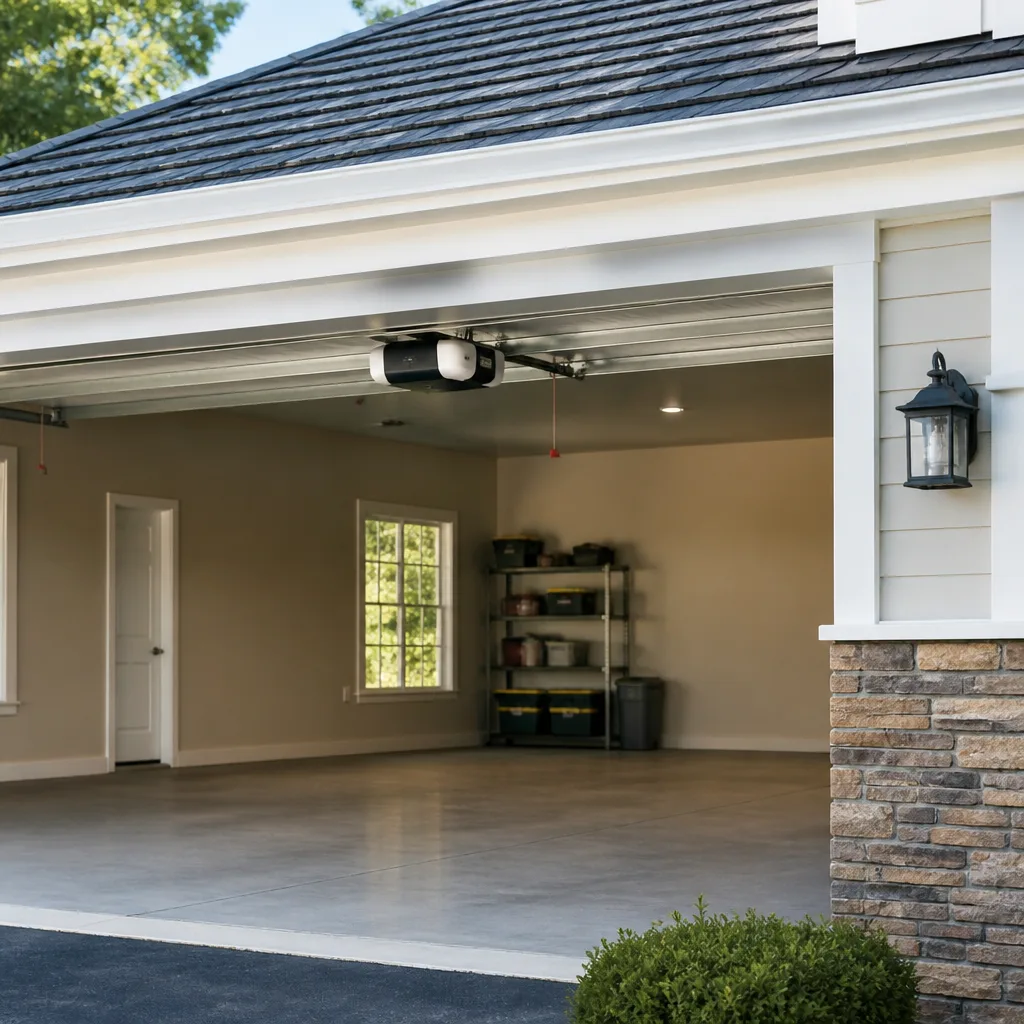 LiftMaster openers
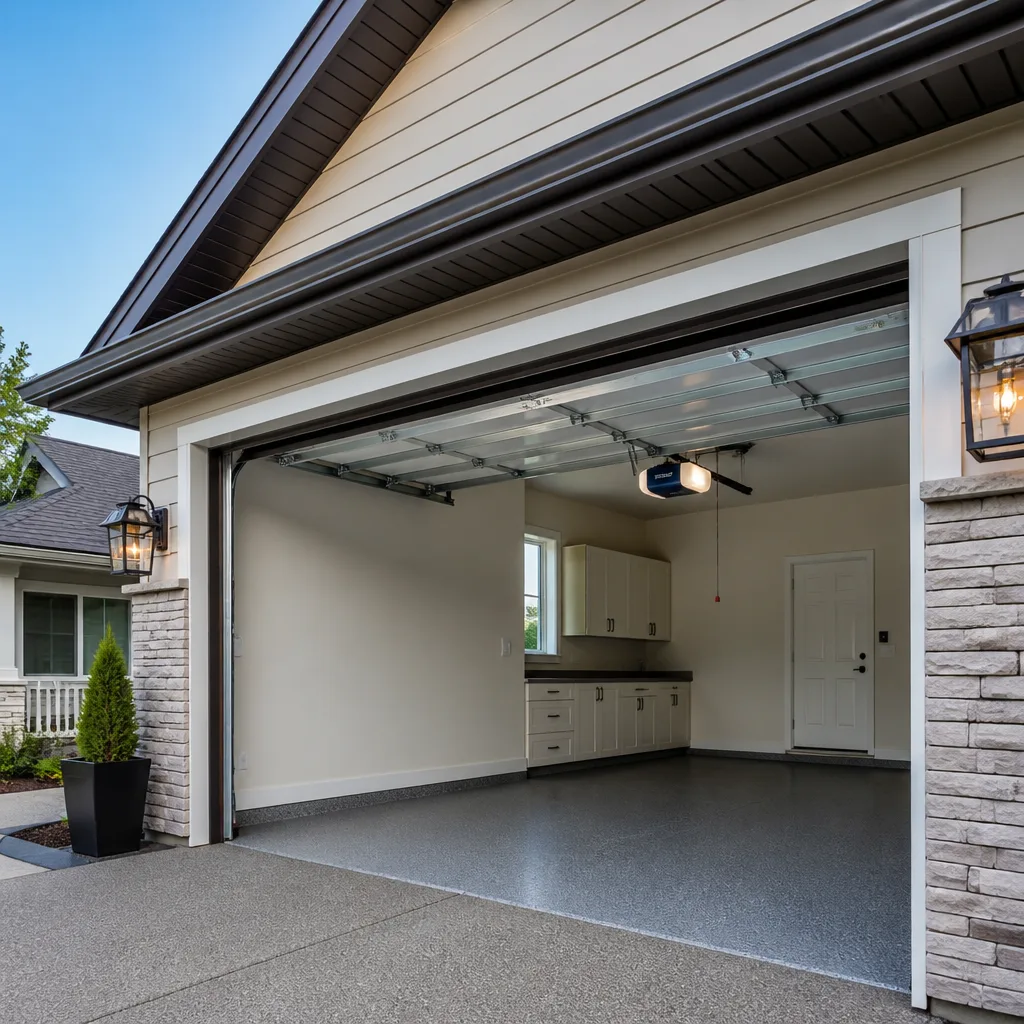 Chamberlain openers
Full 25-point door and opener safety check with every visit - springs, cables, rollers, tracks, and your LiftMaster or Chamberlain opener included
You get a price before we start. It does not change when the pro arrives.
Get your free estimateHow to Hire a Garage Door Contractor in Fishers: A Step-by-Step Guide
A five-star rating doesn’t tell you whether a contractor carries the specific liability coverage that protects your property if a torsion spring injures someone in your driveway. That’s the part most homeowners never think to ask about, and it’s the part that matters most. Most garage door hiring advice focuses on price comparisons and review counts, which are useful but incomplete. This guide reframes the process around risk reduction. You’ll learn exactly which insurance certificates to request, why the specialist-versus-handyman distinction is meaningful, how to spot a bad quote, and how to verify a contractor actually knows your opener before you authorize work. If you’re hiring in Fishers, this is the checklist to keep open on your phone.
Quick Answer
To hire a garage door contractor in Fishers safely, verify three things before anyone touches your door: current general liability and workers’ compensation coverage with certificate proof, specific experience with your door and opener brand, and a written itemized quote that names parts and labor separately. A garage door is a heavy, spring-loaded system under constant tension, so the right contractor is a specialist who carries proper insurance and quotes the job in writing before work starts – not the lowest bidder.
Styles & brands we work with
- Raised-panel steel
- Carriage house
- Modern flush
- Full-view glass
- LiftMaster openers
- Chamberlain openers
Table of Contents
- Why Hiring a Garage Door Contractor Is Different From Hiring a Handyman
- What Insurance Certificates to Request (and What Coverage Should Look Like)
- The Step-by-Step Hiring Process
- How to Read a Garage Door Quote: Red Flags and Green Lights
- How to Verify Brand and Opener Familiarity Before Authorizing Work
- OEM vs. Aftermarket Parts: What’s Acceptable and When
- What Fishers Homeowners Should Know About Their Doors and Climate
- Emergency Calls vs. Planned Work: How the Hiring Process Changes
Why Hiring a Garage Door Contractor Is Different From Hiring a Handyman
A garage door is the largest moving object in most homes. It weighs anywhere from 130 to 350 pounds depending on material and insulation, and it rides on a track system powered by springs holding stored mechanical energy. That stored energy is what makes the trade different from hanging a shelf or patching drywall. When a torsion spring fails under load, the force it releases can bend steel and break bones. Generalist handymen often decline spring work for exactly this reason, or worse, take the job without the specific training it requires.
The distinction isn’t about credentials on paper so much as what the person in your driveway has actually handled before. A contractor who works on garage doors every day has seen failed cables, stripped gears on a garage door opener repair job, and torsion springs that snapped mid-cycle. They know the warning signs and the safety protocols that go with them. A handyman who takes garage door work occasionally has seen far fewer of these scenarios.
There’s a practical component too. Garage doors use brand-specific parts. A technician who works regularly with LiftMaster openers knows how the travel limits adjust and where the logic board connectors sit. The same goes for door systems from Wayne Dalton or Raynor. Generalist contractors often spend the first hour of a job learning the system, and sometimes they guess wrong on parts.
Spring and cable work is genuinely dangerous. We flag this clearly: high-tension torsion springs and extension springs should be handled by trained technicians with the right tools and safety gear, not attempted as a DIY project. The same caution applies to opener wiring at the motor head and any electrical work at the panel.
In short, the “specialist or generalist?” question isn’t snobbery. It’s a risk calculation. For a door that runs every day and holds your home’s security together, the calculation tilts toward the specialist.
What Insurance Certificates to Request (and What Coverage Should Look Like)
Almost no homeowner asks for a certificate of insurance. This is the gap in the typical vetting process, and it’s the one that protects you most directly. If a torsion spring slips and injures someone in your garage, or a crew member is hurt on the job, the outcome depends entirely on who holds the policy – the contractor or you as the property owner.
Here’s what to request before the job is scheduled:
- Certificate of insurance (COI): A one-page document from the contractor’s insurer showing active general liability coverage. Ask for it to be sent directly before work begins, not promised for later.
- General liability coverage: Ask specifically about coverage for property damage. A spring that fails and damages a vehicle or a wall should be covered.
- Workers’ compensation coverage: If someone is injured on your property and the contractor doesn’t carry workers’ comp, the injury claim can land on your homeowner’s policy. This is the coverage homeowners most often overlook.
- Additional insured status: Some contractors can add you as an additional insured for the duration of the job. Ask if that’s available. If not, at minimum confirm the policy is active.
In Indiana, garage door installation and repair don’t require a statewide specialty license the way electrical or plumbing work does, so license verification is less clean-cut than in some trades. That makes insurance verification and references the primary proof points you can actually check. Ask your contractor straight out: “Can you send a current COI before the work begins?” A reputable operator will send it without hesitation. Hesitation is your answer.
We also recommend confirming whether the contractor’s crew is direct or subcontracted. Both can be legitimate, but you want to know who’s actually on your property and whether they’re covered. If you have questions about what to look for, call us at (855) 651-5310 and we can walk through what the coverage certificate should show.
The Step-by-Step Hiring Process
Here’s the sequence we recommend to Fishers homeowners, in order. Each step builds on the last, so don’t skip ahead.
- Define the problem clearly. Is the door not opening? Is it noisy? Is the opener clicking but not moving the door? Does the door reverse before closing? Write down what you observe, including any sounds or smells. This narrows down which service you actually need – garage door repair, opener repair, or a full replacement – and helps contractors quote accurately.
- Search by specialty, not by category. Look for contractors whose entire business is garage doors, not general handyman or home-service listings. The search terms “garage door” combined with “Fishers” will surface specialists first. Avoid listings that offer garage doors as one of fifteen services.
- Request the insurance certificate before scheduling. Call or email and ask for a current COI plus confirmation of workers’ comp. Don’t wait until the technician is in the driveway.
- Get a written, itemized estimate. The quote should name the parts (springs, cables, rollers, opener model), the labor, and a total. Verbal estimates are not enough, and neither are lump-sum quotes with no breakdown.
- Verify brand familiarization. Ask which openers and door systems they work on most often. If your door is a LiftMaster, Wayne Dalton, or Raynor, name it and listen for a specific, non-generic answer. See the section on brand verification below.
- Confirm the price is locked before work begins. Ask directly: “Is the price on this estimate the price I’ll be billed, or does it change once you see the door?” The answer should be that the written estimate sets the final price.
- Ask what happens if the job turns out to be larger than expected. A faulty opener that reveals cable damage is a real possibility. The right answer is that the contractor will stop and get your approval before doing anything beyond the quoted scope.
- Keep the estimate and the COI on file. If anything goes wrong later, you want the documentation in hand.
For garage door installation specifically, the process is the same but with extra steps for measurement and scheduling. Installation is measured and ordered, not same-day work, so expect a written price after the measure, then a scheduled install.
How to Read a Garage Door Quote: Red Flags and Green Lights
A quote tells you a lot about how a contractor runs their business. Here’s how to separate the ones worth taking seriously from the ones worth filing away.
Red flags in a garage door quote
- Vague line items. “Spring repair – $XXX” with no part detail, no labor split, no note on whether it’s a single spring or a pair. Torsion systems often use matched pairs, and pricing reflects that.
- Cash-only requirements. Payment method flexibility is a sign of a real business. Cash-only is not automatically a scam, but it’s worth asking why.
- Same-day pressure. A contractor who insists you must sign or approve the work the moment you call is applying pressure. Real emergencies exist, and we treat them as urgent, but urgency from a contractor about your decision timeline is a different thing entirely.
- No written estimate, only verbal. Always get it in writing. Ask for an email version you can keep.
- Price dramatically below the range you’re seeing elsewhere without explanation. It usually means the part quality, the labor, or the scope is not what you think.
Green lights
- Itemized estimate with parts, labor, and total clearly stated.
- A willingness to answer questions about brand compatibility and parts sourcing.
- Written confirmation that the estimate is the price you’ll pay, with a note about what happens if the scope changes.
- COI sent without being asked twice.
The cost range you should expect varies by door type and spring configuration. A single torsion spring is priced differently from a matched pair. Get the quote in the same terms so you can compare fairly. If you’re uncertain whether a quote seems reasonable, call us at (855) 651-5310 – we’ll give you a free written estimate and walk through what the job involves.
How to Verify Brand and Opener Familiarity Before Authorizing Work
This is the most overlooked vetting question, and it’s surprisingly easy to test. Brand familiarity affects both the speed of the repair and the quality of the outcome. A tech who works on LiftMaster and Chamberlain every day will be faster and safer than one who sees them once a month.
Here’s how to check before you authorize work:
- Name your brand out loud. When you call, say “I have a [your brand] opener” and listen for a specific response. “We work on all brands” is a non-answer. “Yes, we work on those – is it the belt-drive or chain-drive model?” is a good sign.
- Ask about your specific symptom. “It clicks but doesn’t move” points to one set of causes for LiftMaster units and another for Craftsman models. A tech familiar with your brand will have a hypothesis before arriving.
- Ask how parts are sourced for your brand. See the parts section below. Anyone can install generic parts; specialists know which OEM parts matter.
- Confirm the crew that will actually do the work is the same one you spoke with. Sometimes the salesperson and the technician are different people with different experience levels. Ask.
We work on equipment from eight major brands – LiftMaster, Chamberlain, Genie, Clopay, Amarr, Wayne Dalton, Craftsman, and Raynor – so our technicians arrive already familiar with the system in most Fishers garages. That matters practically: fewer surprises, fewer return visits. If your brand isn’t on that list, we can usually still help; just ask before assuming.
OEM vs. Aftermarket Parts: What’s Acceptable and When
Parts sourcing isn’t just a price question. It affects safety, lifespan, and warranty.
When OEM parts matter most
- Springs. Spring quality varies widely. OEM or OEM-equivalent springs are matched to the door’s weight and cycle rating. Aftermarket springs of unknown origin can fail much earlier than expected. This is not a place to go cheap.
- Cables. Same logic. Cable gauge and swage quality vary, and a cheap cable is a safety issue on a high-tension door.
- Opener boards and safety sensors. Brand-matched boards ensure compatibility. Aftermarket boards sometimes work but can cause repeated repairs.
When aftermarket is acceptable
- Rollers and hinges. These are simple components. A quality aftermarket roller or hinge can be perfectly fine if the grade is right.
- Weather seal and trim. Cosmetic components don’t carry the same risk profile.
- Mounting hardware. Fasteners and bolts are generally interchangeable as long as the grade matches the load.
The question to ask is direct: “Which of the parts in this quote are OEM, which are aftermarket, and why?” A good contractor will explain. A vague answer or defensiveness is worth noting. We source brand-matched parts wherever it matters for safety or compatibility and use quality aftermarket where it doesn’t. If you’re unsure what a quote is stating, call (855) 651-5310 and we’ll help you read it.
What Fishers Homeowners Should Know About Their Doors and Climate
Central Indiana sits in a range of temperatures and weather conditions that stress garage doors in specific ways. Summer heat and humidity expand and swell wood components, then winter cold contracts them again. Ice can build up under a rubber bottom seal, and that gap is where drafts and moisture enter. Doors that face east or west take a lot of direct sun and UV exposure on rubber seals.
Spring cycle life is also affected by temperature swings. A drive chain that runs smooth in spring can stiffen in deep winter, adding load on the opener. The symptom is often a door that struggles to close in cold weather. Similarly, tracks can contract and shift with temperature, causing rollers to bind. Homeowners who sweep and lubricate tracks once or twice a year tend to have fewer problems.
Fishers’ housing mix has its own influence here. Newer homes in neighborhoods like Saxony and Britton Falls often have taller doors or insulated steel doors that need specific spring calibration. Older sections of Fishers – around the historic downtown area or established neighborhoods – have doors that have been through many Indiana winters and need inspection more often. We adjust our approach by door age and system type rather than by neighborhood, but the underlying tracking and spring calibration work is the same.
One specific local note: because Fishers gets a real winter, spring cables and weather seals are the two components most sensitive to local conditions. Have both inspected annually rather than waiting for a failure. A trained technician can spot a frayed cable before it snaps.
Emergency Calls vs. Planned Work: How the Hiring Process Changes
Not all garage door work is planned. If your door is stuck open and your home or vehicle is exposed, or if a door is stuck closed and a car is trapped inside, you’re in emergency territory. The hiring checklist is the same but the timeline is compressed, so you need to ask the right questions fast.
What to ask on an emergency call
- “Are you available today for this type of work?” Ask directly. The right contractor will tell you what’s realistic based on their schedule.
- “What can you tell me about the price before you arrive?” You should still get a range before work begins, plus a written estimate once the technician sees the door.
- “What’s your insurance certificate process?” Insist on the COI even on an urgent job. Reputable contractors handle this quickly.
- “Is the person arriving a garage door specialist?” On a high-tension spring failure, this matters more than usual.
For planned work – new doors, opener replacement, scheduled repairs – the timeline is different. Installation requires a measurement visit, then a written price, then a scheduled install date. We don’t promise same-day service for installs because the door is ordered to your opening. That’s not a limitation; it’s what a correct install requires.
Repairs are a middle case: most are quick, and we can often handle them promptly. Ask the contractor directly whether they can come today. If they can’t, they’ll tell you. What you never want is a promise that turns into a no-show.
Our Fishers Garage Door Repair Pros team treats emergency calls as the default mindset, not an upsell. If a broken door is leaving your home unsecured or trapping a vehicle, that’s urgent and we treat it as urgent.
Common Mistakes to Avoid
- Asking about price before asking about insurance. A cheaper quote from an uninsured contractor is more expensive if something goes wrong. Get the COI first, then compare prices.
- Hiring a handyman for spring work. High-tension torsion springs are dangerous. A trained garage door specialist belongs on that job, not a generalist who’s never done one.
- Accepting a verbal estimate. Always get it in writing, itemized, with parts named. This is your protection against scope creep and price surprises.
- Assuming “we work on all brands” is enough. Ask specifically about your brand. Specialist familiarity with your opener shortens the job and reduces return visits.
- Paying cash without a receipt. Keep a paper trail. Even on an emergency call, ask for a written invoice.
- Skipping the annual inspection. Fishers’ temperature swings wear on springs, cables, and seals. A yearly once-over catches frayed cables and weak springs before they fail.
- Authorizing work without confirming what happens if the scope grows. Ask upfront what the contractor will do if they find additional damage. The right answer is: stop, get approval, then proceed.
See the difference
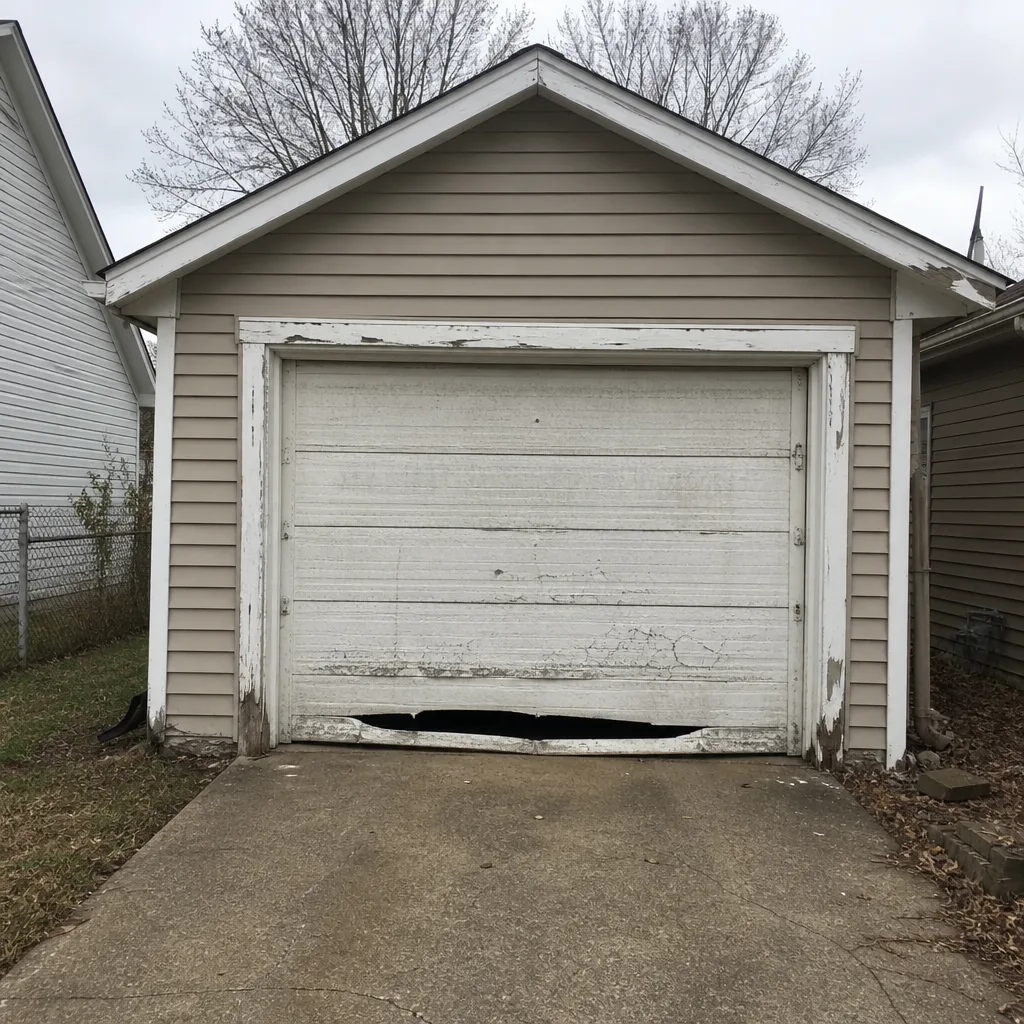 Before
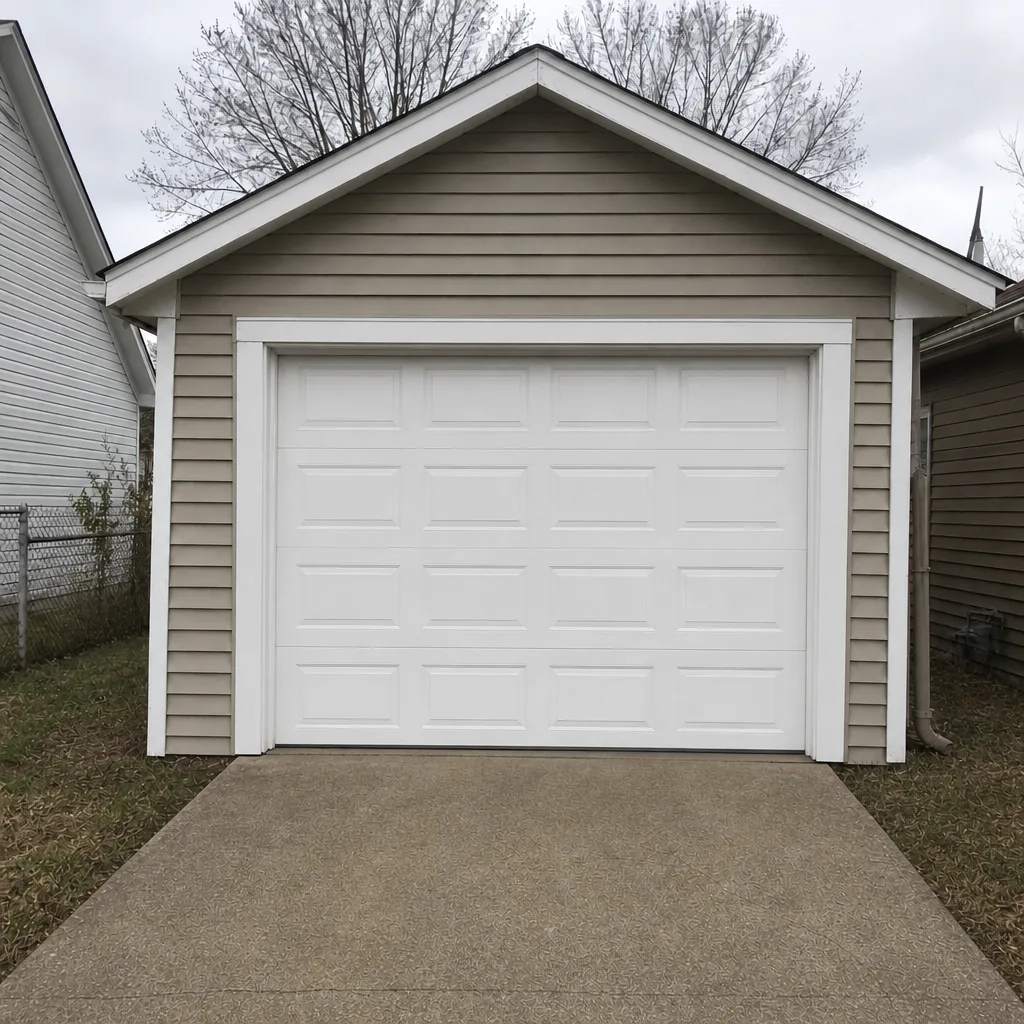 After
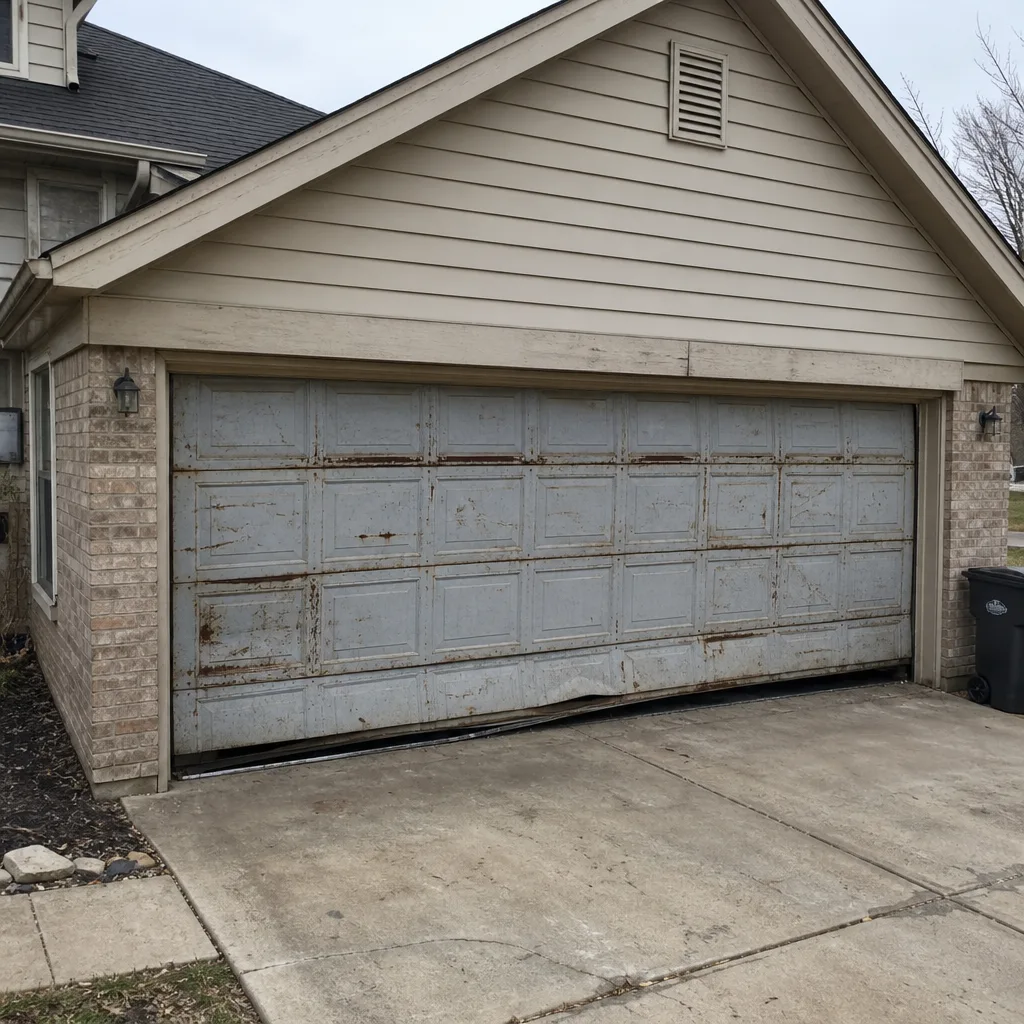 Before
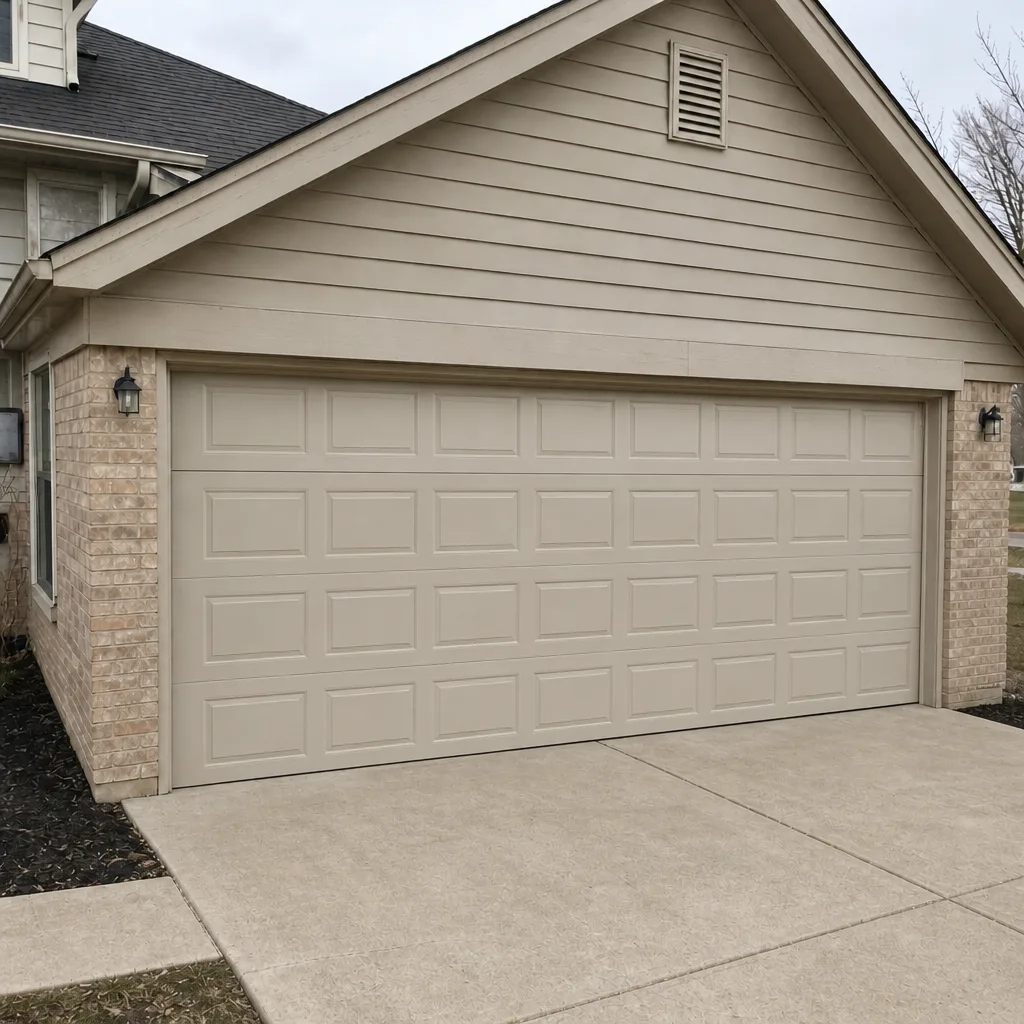 After
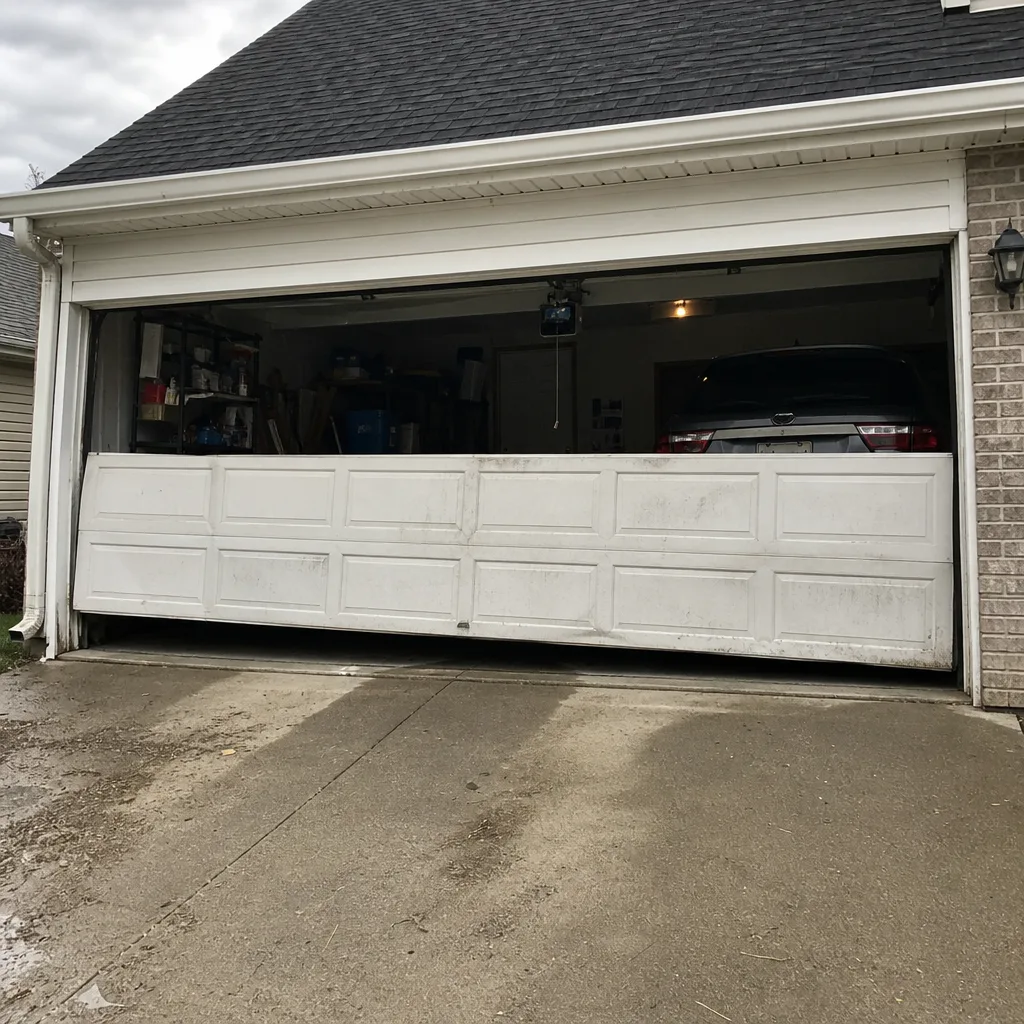 Before
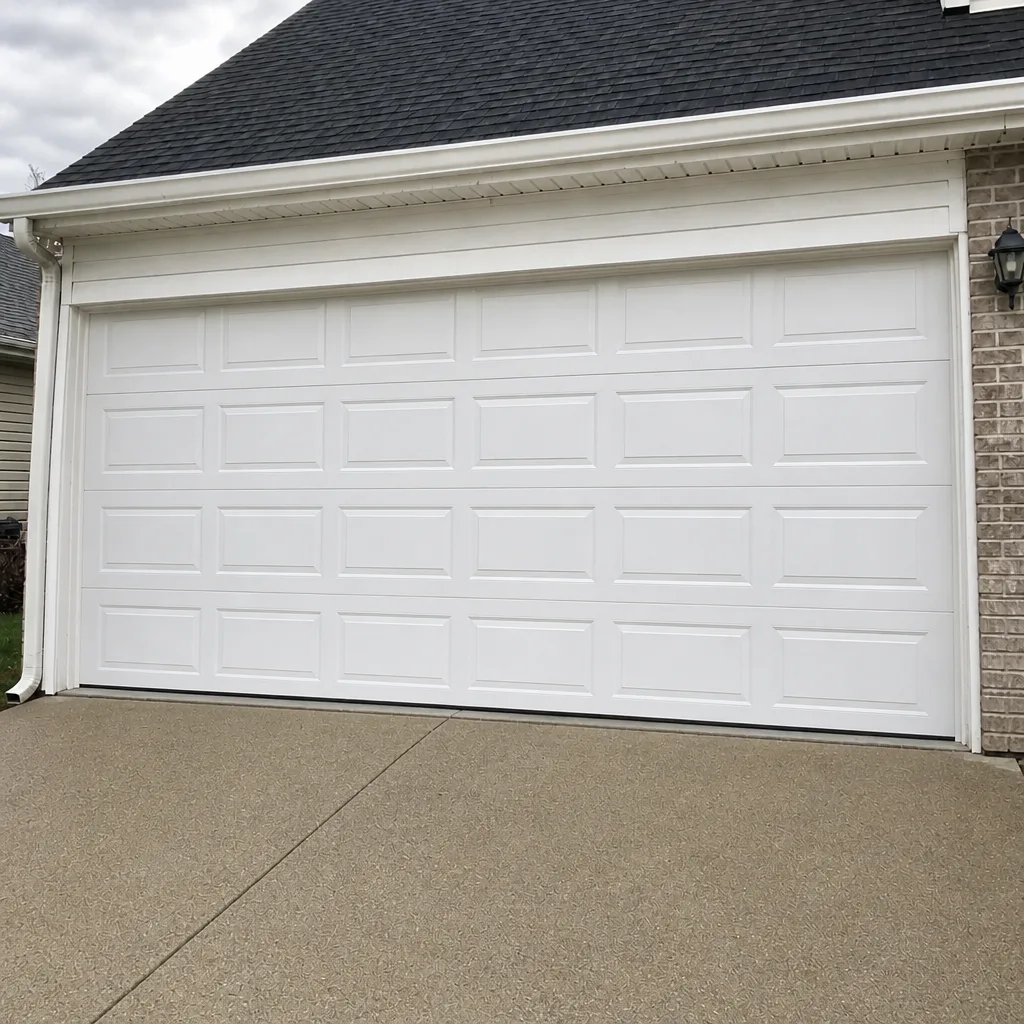 After
When to Call a Professional
Some garage door issues are safe to observe and adjust yourself, and others are not. Call a professional for any of the following: a torsion or extension spring that has snapped or is visibly deformed, a cable that has come off the drum or looks frayed, an opener that clicks but won’t move the door, a door that reverses before closing, a door that has come off its track, or a door that won’t open or close at all when your home or vehicle is at risk. Also call for a door that’s making new grinding or popping sounds, which usually signals worn rollers or a failing opener gear. Springs and cables are high-tension components, and attempting to adjust or replace them yourself is genuinely dangerous. Fishers Garage Door Repair Pros offers free estimates in Fishers – call (855) 651-5310 to get a written price and schedule the work.
Frequently Asked Questions
Typical repair costs depend on the component, with common fixes ranging from straightforward adjustments to full spring or opener replacement. Because spring, cable, and opener prices vary by brand and part grade, the only reliable number is a written estimate, which is free. Call (855) 651-5310 for an exact quote before work begins.
Garage door work in Indiana doesn’t have a single statewide specialty license, so the relevant verification is insurance. Ask any contractor for a current certificate of insurance and confirmation of workers’ compensation coverage before work starts. A reputable contractor will provide both without hesitation. Call (855) 651-5310 and we’ll walk through what to request.
Often yes for repairs. When a door won’t open, won’t close, or leaves your home unsecured, we treat it as urgent and work to get someone out promptly. The best way to know is to call (855) 651-5310 and describe the problem – we’ll tell you what’s realistic and quote the price before work starts.
The written estimate you receive after the technician inspects the door is the price you pay for the agreed scope. If additional damage is discovered that requires going beyond the quote, we stop and get your approval before doing the extra work. You should never be surprised by the invoice. Call (855) 651-5310 for a free estimate.
A technician who works every day on LiftMaster, Wayne Dalton, or Raynor systems already knows how those openers adjust and where parts fail. That knowledge shortens the repair and reduces the odds of a return visit. When you call, name your opener brand and listen for a specific response rather than a generic “we work on all brands.” Call (855) 651-5310 if you want to confirm brand compatibility first.
Permit requirements vary by scope, so ask the city’s building department before authorizing structural changes such as modifying the opening or altering the header. A spring, cable, or opener repair typically doesn’t involve structural change, but check with the city if you’re not sure. Call (855) 651-5310 and we’ll help you understand whether your project needs a permit.
The Bottom Line
Hiring a garage door contractor in Fishers is a risk-reduction exercise, not a price comparison. Request the certificate of insurance and confirm workers’ comp before scheduling. Verify brand familiarity with your specific door and opener, not just general claims. Insist on a written, itemized estimate that names parts and labor. Read the quote for vague line items, cash-only pressure, and same-day decision traps. Confirm that the estimate sets the price and that the contractor will stop and get approval if the scope changes. Keep the estimate and the COI on file. Do these things and the job goes to someone qualified, covered, and accountable. Skip them, and you’re trusting a star rating to cover a spring loaded with hundreds of pounds of stored tension.
When you’re ready, call Fishers Garage Door Repair Pros at (855) 651-5310 for a free, written estimate on repair, opener work, spring repair, or new installation. We’re a single-trade garage door specialist, so every job we quote is one we handle every day.
Written by the team at Fishers Garage Door Repair Pros.