Last updated November 21, 2026
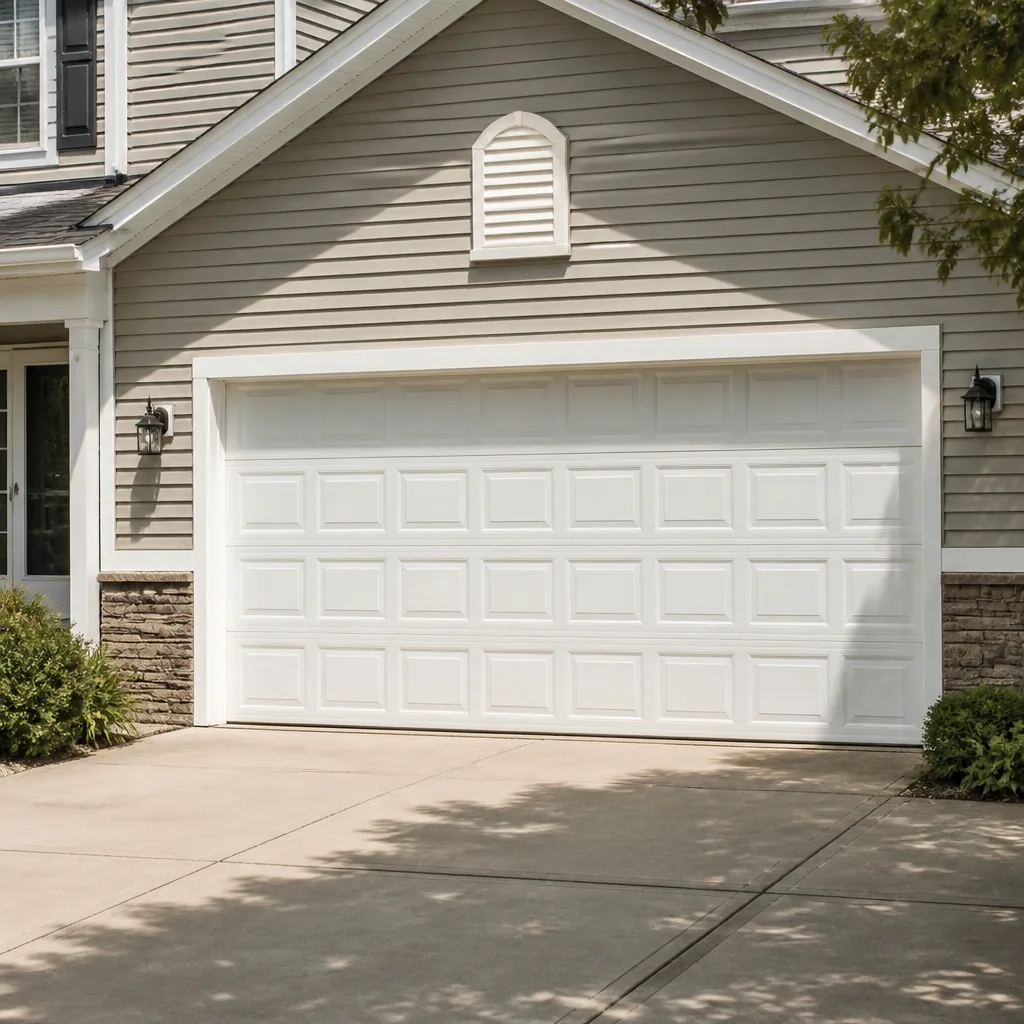 Raised-panel steel
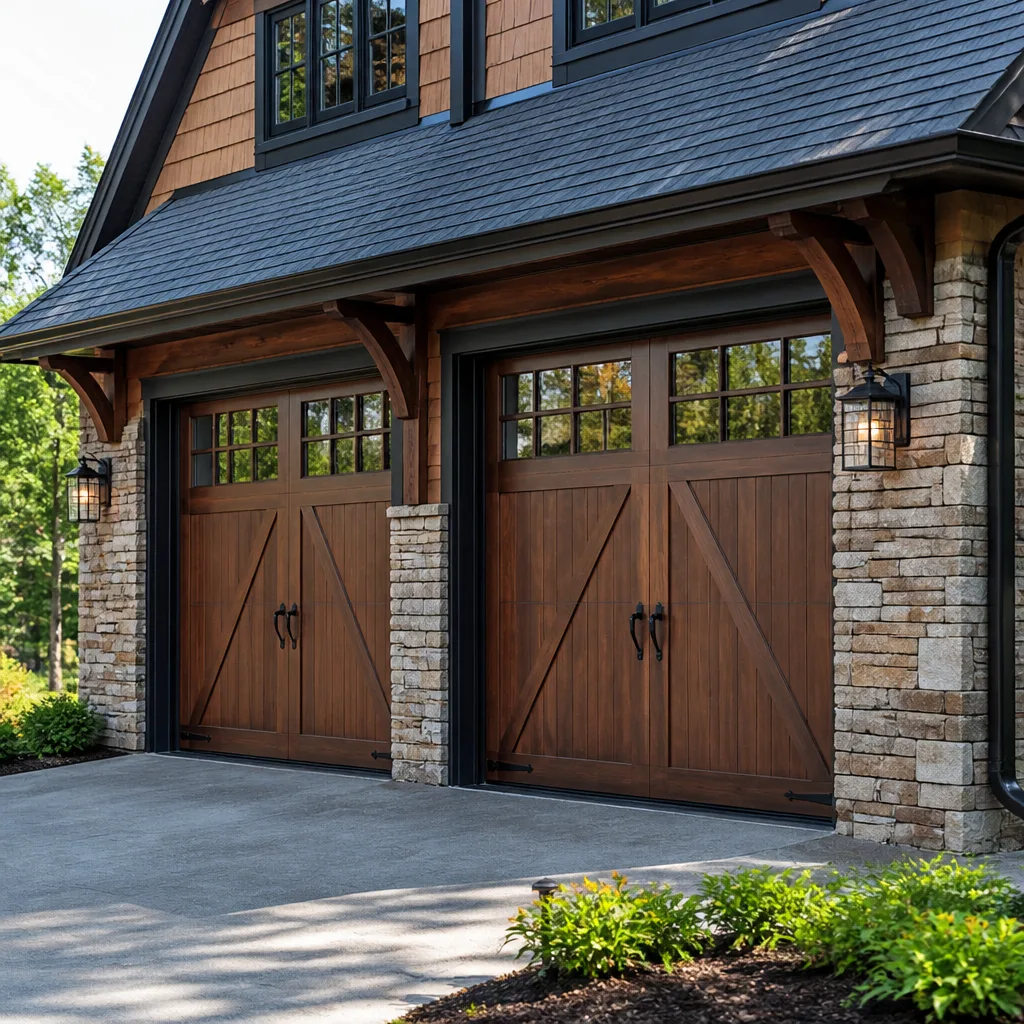 Carriage house
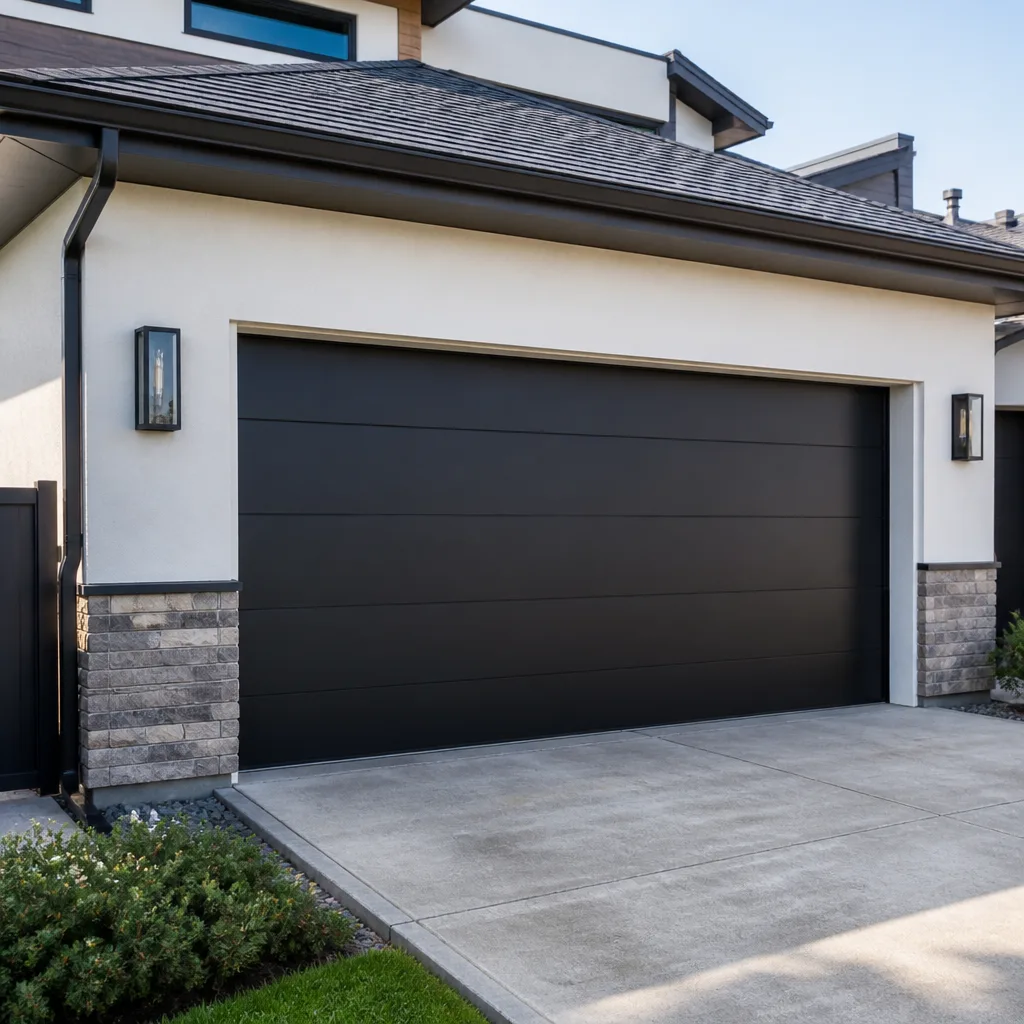 Modern flush
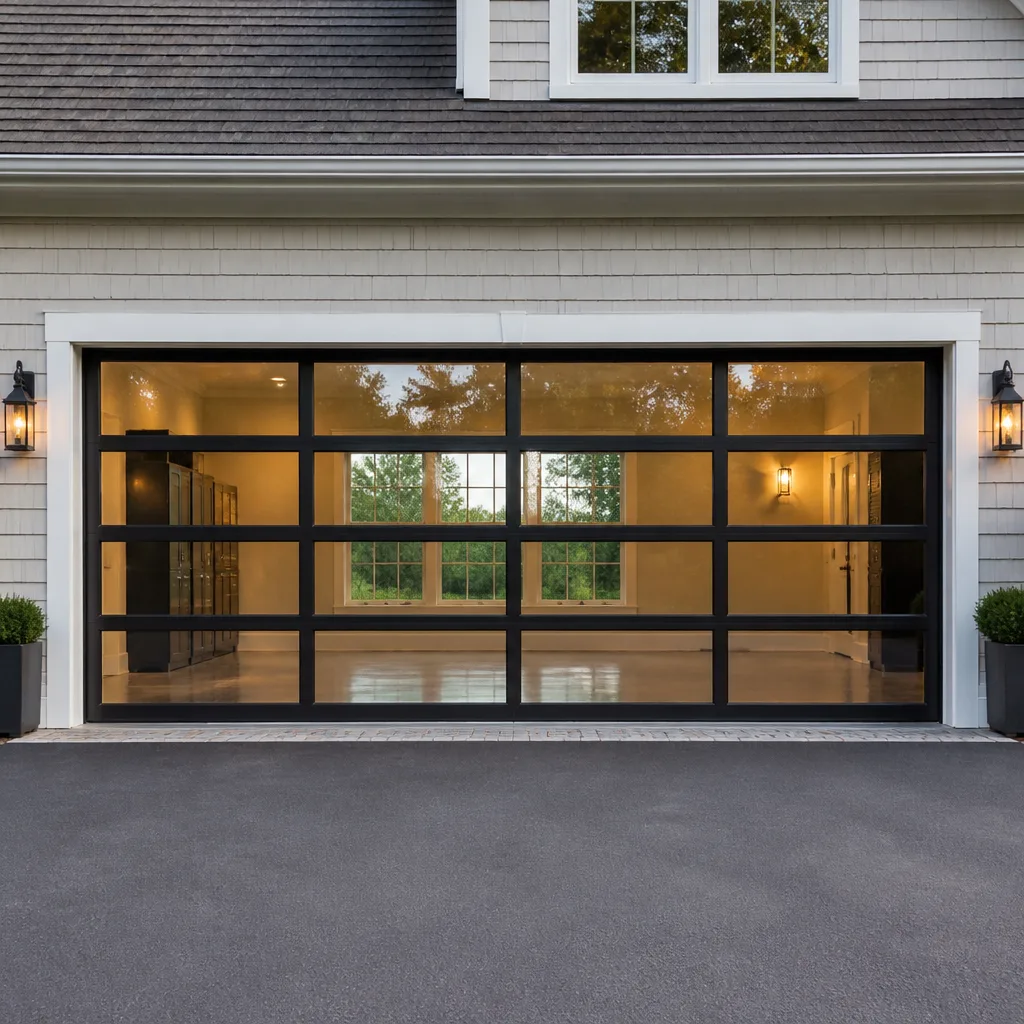 Full-view glass
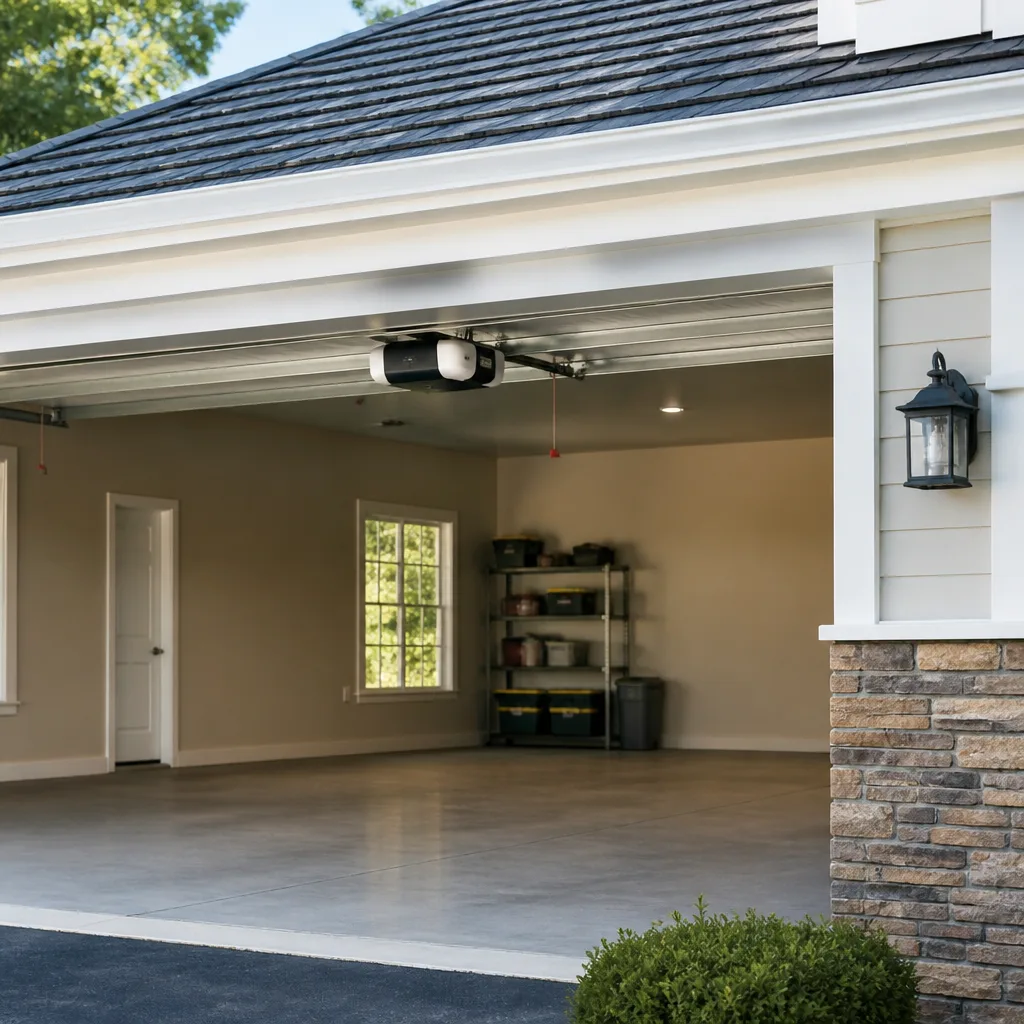 LiftMaster openers
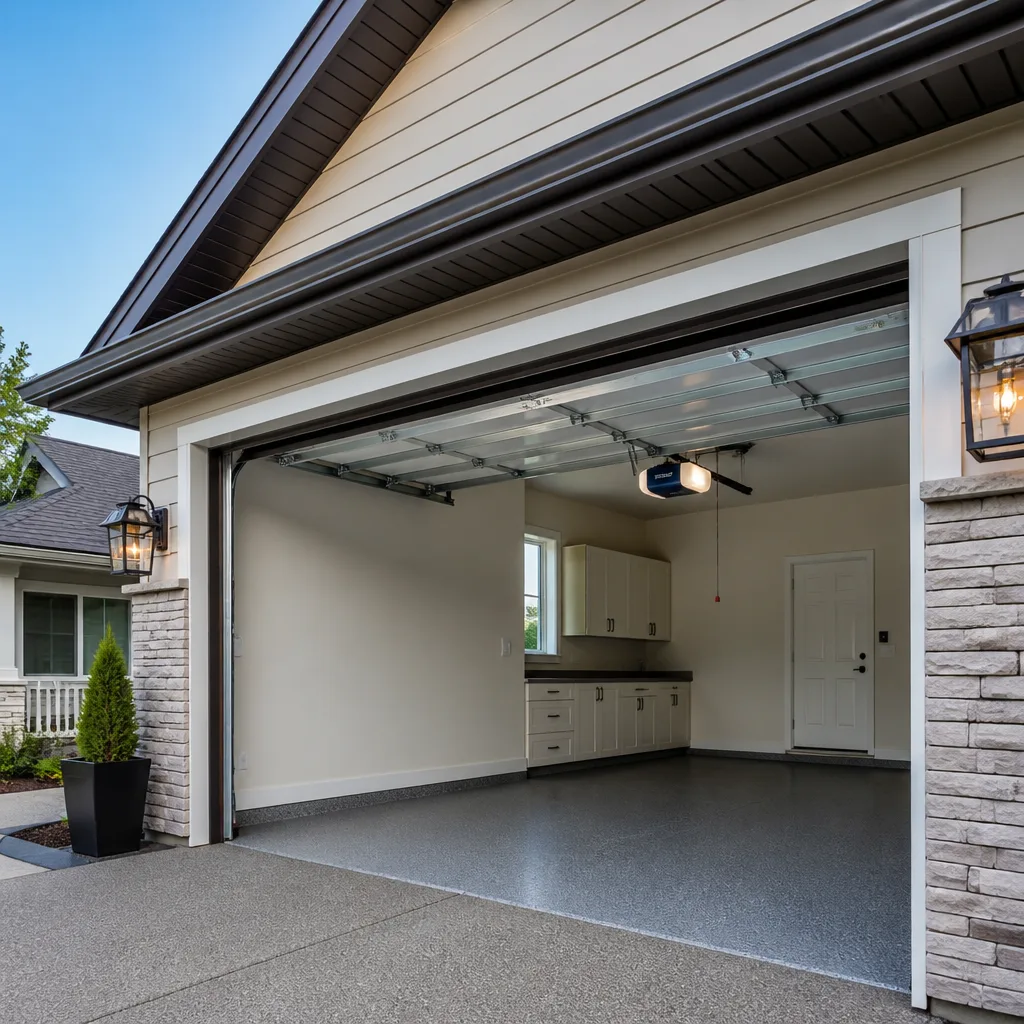 Chamberlain openers
Full 25-point door and opener safety check with every visit - springs, cables, rollers, tracks, and your LiftMaster or Chamberlain opener included
You get a price before we start. It does not change when the pro arrives.
Get your free estimateSeasonal Garage Door Care for Fishers: Year-Round Homeowner’s Guide
Most homeowners in Fishers think about their garage door in January, when it’s -10 degrees and the door won’t budge. By then, the damage is done. The freeze-thaw window that’s most aggressive here isn’t deep winter – it’s the six weeks between late October and early December, when Fishers averages 17 freeze-thaw cycles before the holidays. Metal contracts and expands with each one, and springs, hinges, and tracks absorb all of it. By January, the weakest component has already failed. This guide walks you through a month-by-month care calendar built for central Indiana, not a generic national template. You’ll learn when to inspect, what to look for, and which tasks are worth doing yourself versus calling in a specialist.
Quick Answer
The single most useful seasonal task is a thorough pre-winter inspection in October, before the first hard freeze sets in. That’s when we catch worn springs, loose hinges, and seal gaps that will get worse as temperatures drop. Year-round care in Fishers means checking seals and lubricating moving parts in spring, watching for heat-related opener strain in summer, tuning up hardware in fall, and knowing when slow door movement in winter is normal physics versus a sign that something needs repair.
Styles & brands we work with
- Raised-panel steel
- Carriage house
- Modern flush
- Full-view glass
- LiftMaster openers
- Chamberlain openers
Table of Contents
- Why Fishers’ Climate Is Hard on Garage Doors
- October: The Pre-Winter Inspection That Saves You Money
- November Through January: Freeze-Thaw and Hardware Stress
- Cold-Weather Opener Behavior: Normal vs. a Real Problem
- Spring Thaw and Indiana Summer Humidity
- Spring Thaw Checklist: What to Look For After the Last Freeze
- Month-by-Month Care Calendar for Fishers
- Common Mistakes to Avoid
Why Fishers’ Climate Is Hard on Garage Doors
Fishers sits in central Indiana, which means four distinct seasons and some of the most volatile temperature swings in the Midwest. You’ll see 70-degree days in October and hard freezes in early November. That swing is what does the damage. Every time the temperature crosses the freezing mark, metal components expand by one amount and contract by another. Torsion springs, extension springs, hinges, and track hardware all cycle through this stress repeatedly. Multiply that by 17 cycles in a single season, and you start to understand why spring failures here tend to happen in mid-winter, not during the busy summer months when the door gets the most use.
Humidity is the other half of the story. Central Indiana summers run humid, and that moisture affects wood doors more than any other type. Panels swell, paint lifts at the seams, and bottom seals compress unevenly against the concrete. Homeowners who only think about their door in winter miss the summer conditions that set up the winter problems.
That’s why we tell every Fishers homeowner the same thing: seasonal care here isn’t about following a generic national checklist. It’s about anticipating what this specific climate does to your door and getting ahead of it. The Fishers Garage Door Repair Pros team sees the results of deferred maintenance on a regular basis, and the pattern rarely changes.
October: The Pre-Winter Inspection That Saves You Money
The highest-ROI maintenance task a Fishers homeowner can do all year is a thorough inspection in October. Not November. Not after the first freeze. October. If you do nothing else seasonally, do this: walk around your door with a flashlight, check every moving part by hand, and listen to the door as it opens and closes. Most winter failures we see in Fishers could have been caught in October with a 20-minute inspection.
Here’s what to check, in order:
- Balance test: Disconnect the opener, lift the door halfway by hand, and let go. A properly balanced door stays put. One that drifts down or slams shut has a spring or cable problem that should be addressed before winter.
- Spring condition: Look at the torsion spring above the door or the extension springs along the sides. A visible gap in the coil, a stretched section, or a rust-colored wear line is a warning sign. Don’t touch the springs – just note what you see.
- Hinge and roller wear: Worn hinges and flat-spotted rollers put extra strain on the opener. Check each hinge for looseness and each roller for flat spots or cracks.
- Weatherstripping: Run your hand along the bottom seal and side seals. Any gap bigger than a quarter-inch will let cold air in and put strain on the opener as it works against a stiff seal.
- Lubrication: A light application of garage door lubricant on hinges, rollers, and the spring coil reduces friction before temperatures drop. Don’t use WD-40 on the tracks – it attracts dirt.
- Opener response: Watch and listen for hesitation, grinding, or uneven movement. These are early signals that a component is on its way out.
An October inspection in Fishers gives you time to schedule any necessary repairs before the cold sets in and before the freeze-thaw cycle starts stressing the hardware. If a spring is worn or the door isn’t balanced, a garage door spring repair in October is far less disruptive than an emergency call in January.
November Through January: Freeze-Thaw and Hardware Stress
Once the freeze-thaw cycle begins, garage door hardware takes a beating. Torsion springs are under constant tension, and every temperature drop changes that tension slightly. Hinges contract and loosen. Track hardware shifts as the concrete slab under the door heaves and settles with the frost. By January, a door that was fine in October can be noticeably out of alignment or struggling to close.
What to watch for during this stretch:
- Uneven movement: If one side of the door rises faster than the other, a spring is losing tension or a cable has slipped a drum.
- Loud pops or snaps: A single loud bang from the garage usually means a torsion spring has snapped. This is a safety-critical failure that requires a trained technician – don’t try to open the door yourself.
- Door doesn’t close all the way: Cold can shrink the bottom seal or cause the track to ice up at the threshold. Check for ice buildup on the concrete and clear it before operating the door.
- Opener strain: If the opener sounds like it’s working harder than usual, the door is binding somewhere. The extra load is hard on the opener motor and gear assembly.
In our experience, most spring failures in Fishers happen in January. That’s not a coincidence. The door has just been through two months of temperature cycling, and the metal has finally fatigued. If you noticed something off in October and didn’t address it, January is when it fails.
Cold-Weather Opener Behavior: Normal vs. a Real Problem
Your garage door moves slower in January than it does in July. That’s physics, not a defect. Cold thickens the lubricant, stiffens the seals, and increases friction in every moving part. A door that normally opens in 12 seconds might take 16 or 18 seconds on a 15-degree morning. That’s normal.
What isn’t normal: a door that stops halfway, reverses immediately, or moves in jerky, uneven steps. Those are signs of a real problem – a failing opener gear, a binding track, or a spring that’s lost tension. The difference matters because one is weather and the other needs a garage door opener repair before the problem gets worse.
Here’s a simple way to tell the difference:
- Time the door in mild weather and in cold weather. A few seconds of difference is normal. A door that’s suddenly three times slower is not.
- Listen to the opener. A smooth, consistent hum is fine. Grinding, squealing, or clicking sounds mean something mechanical is wrong.
- Watch the door travel. If it moves smoothly from bottom to top with just a slight slowdown at the ends, that’s normal cold-weather behavior. If it stutters or pauses mid-travel, call for service.
If your door uses a LiftMaster or Chamberlain opener, those systems have built-in diagnostics that can help. The wall control or the opener unit itself may flash a diagnostic code that points to the specific issue. Our technicians are factory-familiar with both brands and can read those codes quickly to determine whether the problem is the opener, the door hardware, or just the cold.
Spring Thaw and Indiana Summer Humidity
When the last hard freeze passes in late March or early April, the thaw reveals any damage the winter did. Track hardware that shifted during the frost stays shifted. Springs that lost tension stay weak. Frost heaves in the concrete slab under the door can leave the track out of level. You need to check for all of it before summer heat compounds the problem.
Then comes the humidity. Central Indiana summers run humid enough that wood garage doors visibly swell. Panels cup at the edges, paint lifts at the seams, and the bottom seal compresses unevenly as the wood expands against the concrete. Wood doors need more attention here than they do in drier climates – and if you have a wood door, you’ll want to check the paint adhesion and seal edges every spring before the humidity gets serious.
If your door is a Clopay or a Wayne Dalton, the steel panels handle humidity far better than wood. But the bottom seal and the seals around the sides still take the brunt of the moisture. A compressed seal lets water in at the floor line, which can lead to rust on the bottom panel and moisture problems inside the garage. That’s one of the reasons we treat the bottom seal as a yearly check item in Fishers.
Summer heat also stresses the opener. The motor runs hotter in an unventilated garage, and a door that was borderline in winter may show strain symptoms when the temperature climbs. If your opener is aging, summer is when it’s most likely to reveal itself.
Spring Thaw Checklist: What to Look For After the Last Freeze
Wait until the last hard freeze has passed, then do a full inspection of your door and opener. Treat this as a different checklist from the October pre-winter one. In October you’re looking for wear and anticipating stress; in spring you’re looking for damage that the winter already caused. Both matter, and they don’t overlap much.
- Check for frost heave damage: Look at the concrete slab at the door threshold. If the slab has shifted, the bottom seal won’t sit flush, and the door may not close all the way. Note any gaps.
- Inspect the springs again: Winter is when springs fail most often. A spring that survived December but shows a visible gap, a stretched coil, or heavy rust should be replaced before summer heat causes a sudden failure.
- Test the balance: Disconnect the opener and lift the door by hand. If it doesn’t stay at the halfway point, the spring tension has shifted over the winter.
- Check the bottom seal: Run your hand along the seal at floor level. Any compressed spots, tears, or gaps mean water can get in.
- Lubricate everything: Apply garage door lubricant to hinges, rollers, and spring coils. This is a good time to check the track for debris and wipe it down.
- Listen to the opener: Start and cycle the door a few times. Note any sounds, hesitation, or uneven movement. If anything sounds off, it’s worth a professional look before summer.
The spring checklist catches winter damage before summer heat and humidity make it worse. A stuck door in January is an inconvenience; a stuck door in July, when the opener motor is hot and the wood has swelled, can become an emergency. The garage door repair team at Fishers Garage Door Repair Pros handles both, but the spring check is the one that prevents the summer call.
Month-by-Month Care Calendar for Fishers
The generic advice you’ll find online says “lubricate in fall, check weatherstripping in spring.” That’s not specific enough for Fishers. The climate here has a very narrow window where the right maintenance makes the biggest difference. Here’s a month-by-month calendar built for central Indiana:
| Month | Primary Task | What to Look For |
|---|---|---|
| January | Watch for spring failure | Loud pop, uneven door movement, door stuck halfway. Call for emergency service if the door leaves the garage unsecured. |
| February | Check seals and tracks | Ice buildup at the threshold, bottom seal gaps, track alignment after frost heaves. |
| March | Spring thaw inspection | Frost heave damage, spring tension loss, balance test, bottom seal compression. |
| April | Lubrication and opener check | Lubricate hinges, rollers, spring coils. Listen for opener strain as temperatures warm. |
| May | Humidity prep (wood doors) | Paint adhesion at seams, panel swelling, seal compression against concrete. |
| June – August | Opener watch | Heat-related opener strain, unusual grinding, door balance changes from humidity. |
| September | Pre-fall check | Lubricate moving parts, check spring condition before cooling begins. |
| October | Full pre-winter inspection | The highest-ROI task of the year: balance test, spring condition, hinge wear, seal gaps, lubrication. |
| November | Freeze-thaw watch begins | Loud pops, uneven movement, opener strain. Note any changes and address them before December. |
| December | Mid-winter check | Confirm door closes fully against the seal, no ice on track or threshold, opener functioning smoothly. |
This calendar doesn’t require much time – most months are a five-minute visual check. The October inspection is the one to block time for. If you’re not comfortable checking the springs or testing the balance yourself, that’s exactly what the October visit is for. A technician can do the full inspection, note anything that needs attention, and schedule repairs before the freeze-thaw cycle starts.
If your door is a Raynor or a Craftsman, the model-specific wear patterns are worth knowing. Raynor torsion springs tend to show wear at the coil ends; Craftsman openers have their own gear wear patterns. Our technicians know both, along with LiftMaster, Chamberlain, Genie, Clopay, Amarr, and Wayne Dalton systems, so they arrive knowing what to look for on your specific door rather than guessing.
Common Mistakes to Avoid
We see the same mistakes over and over in Fishers. Most of them are avoidable, and a few are genuinely dangerous.
- Trying to adjust or replace springs yourself. Torsion springs are under hundreds of pounds of tension. A slip can cause serious injury. This is not a DIY repair – it’s one of the most dangerous jobs in home maintenance, and even many general handymen won’t touch it. Call a specialist trained on high-tension spring systems.
- Waiting until the door fails to do anything. The October inspection is the highest-ROI task you can do. Skipping it means you’re likely to face a January emergency instead of a planned October repair.
- Using WD-40 on the tracks. It attracts dirt and turns the track into a sticky mess. Use a proper garage door lubricant on hinges and rollers, and keep the tracks clean and dry.
- Ignoring a slow-moving door in winter. Some slowdown is physics. But if the door stutters, reverses, or stops halfway, that’s a mechanical issue that gets worse the longer you wait.
- Overlooking the bottom seal after summer. Humidity compresses the seal against the concrete, and by fall the gap is bigger than it was in spring. Check it in September and again in March.
- Skipping the balance test. It takes 30 seconds and tells you more about your door’s health than anything else. A door that doesn’t hold position when lifted halfway has a spring or cable problem coming.
- Assuming any handyman can handle a garage door. Garage doors are a specialty trade. A generalist may decline spring work, misdiagnose an opener problem, or skip the balance check entirely. A single-trade specialist knows the system, the brands, and the safety requirements.
See the difference
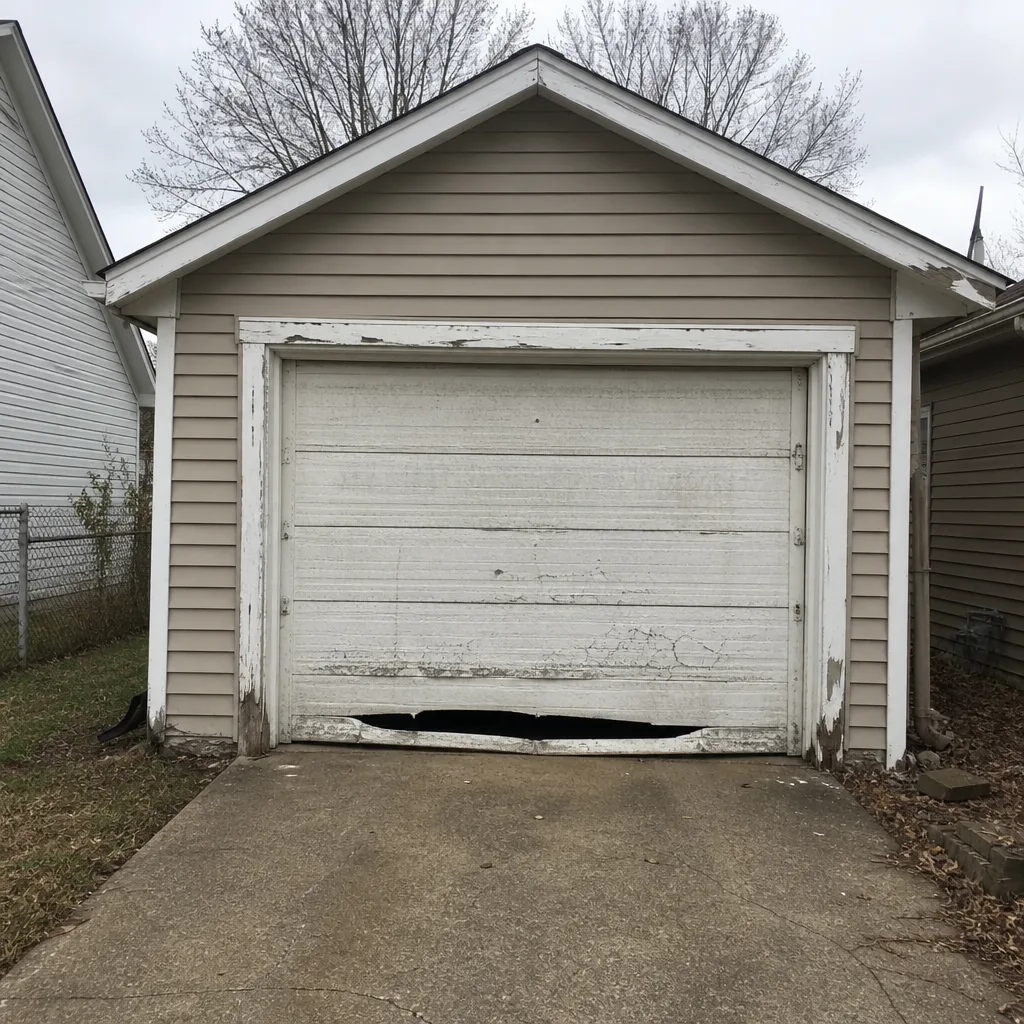 Before
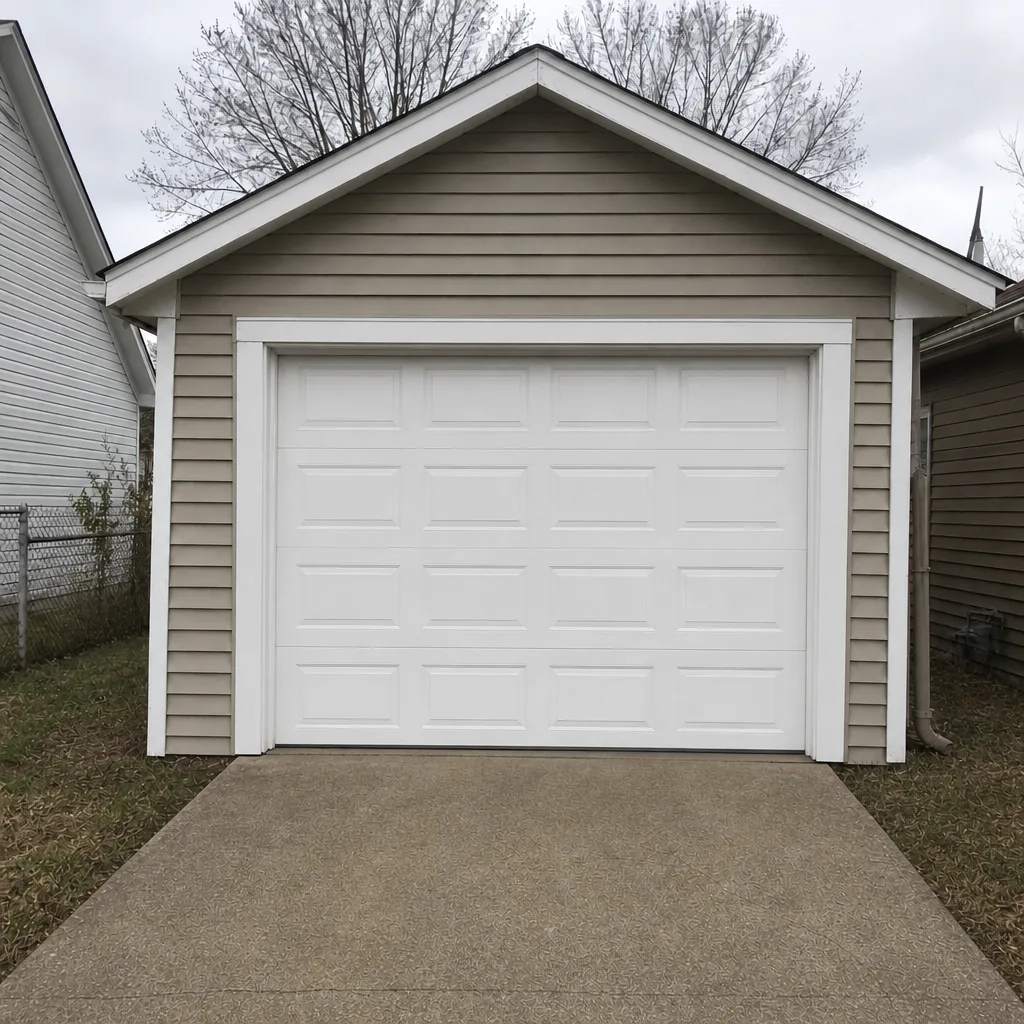 After
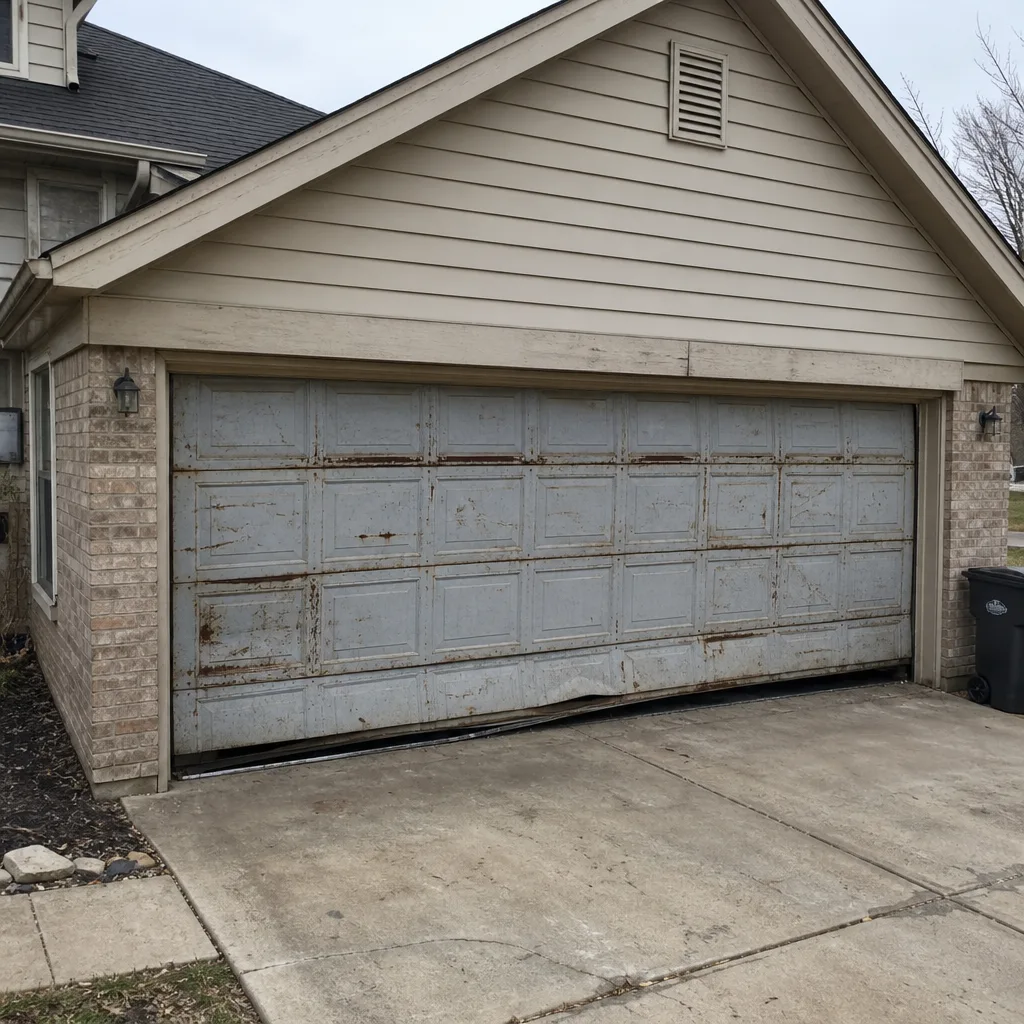 Before
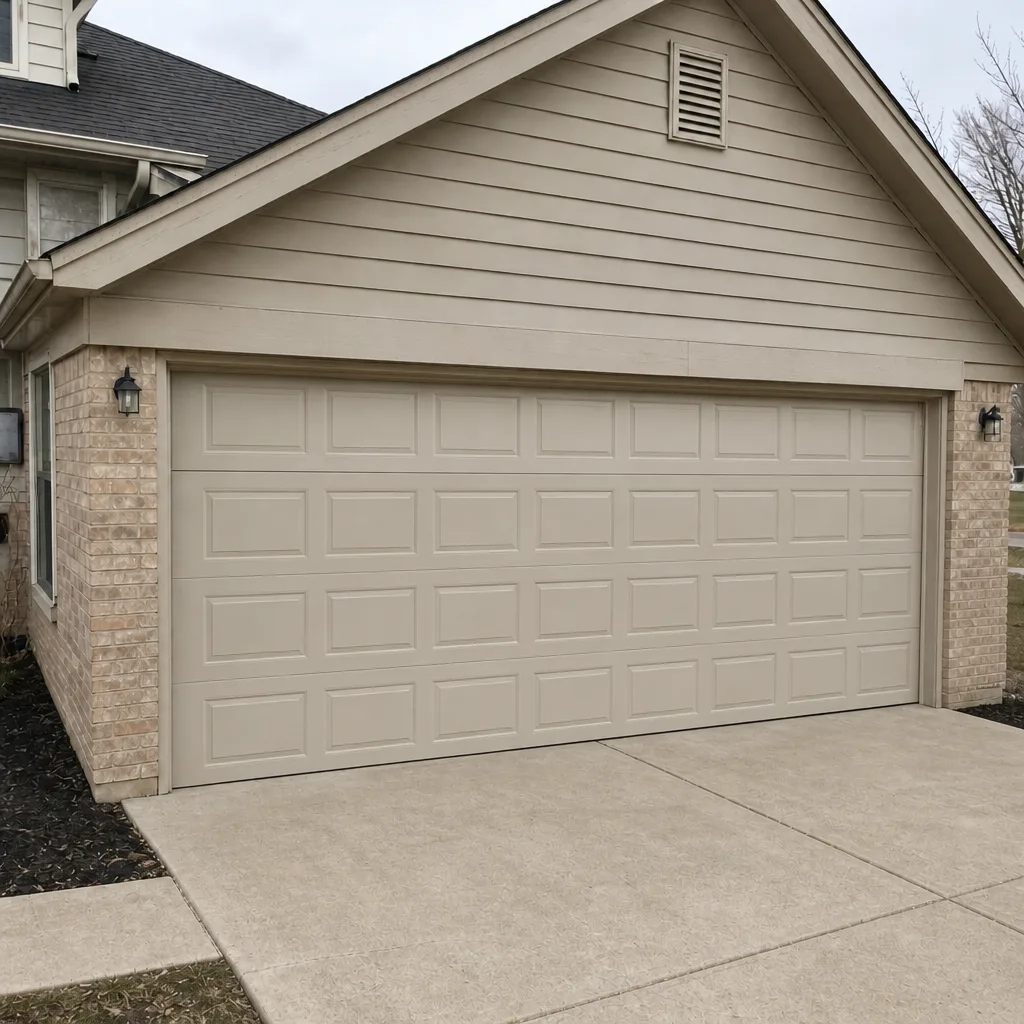 After
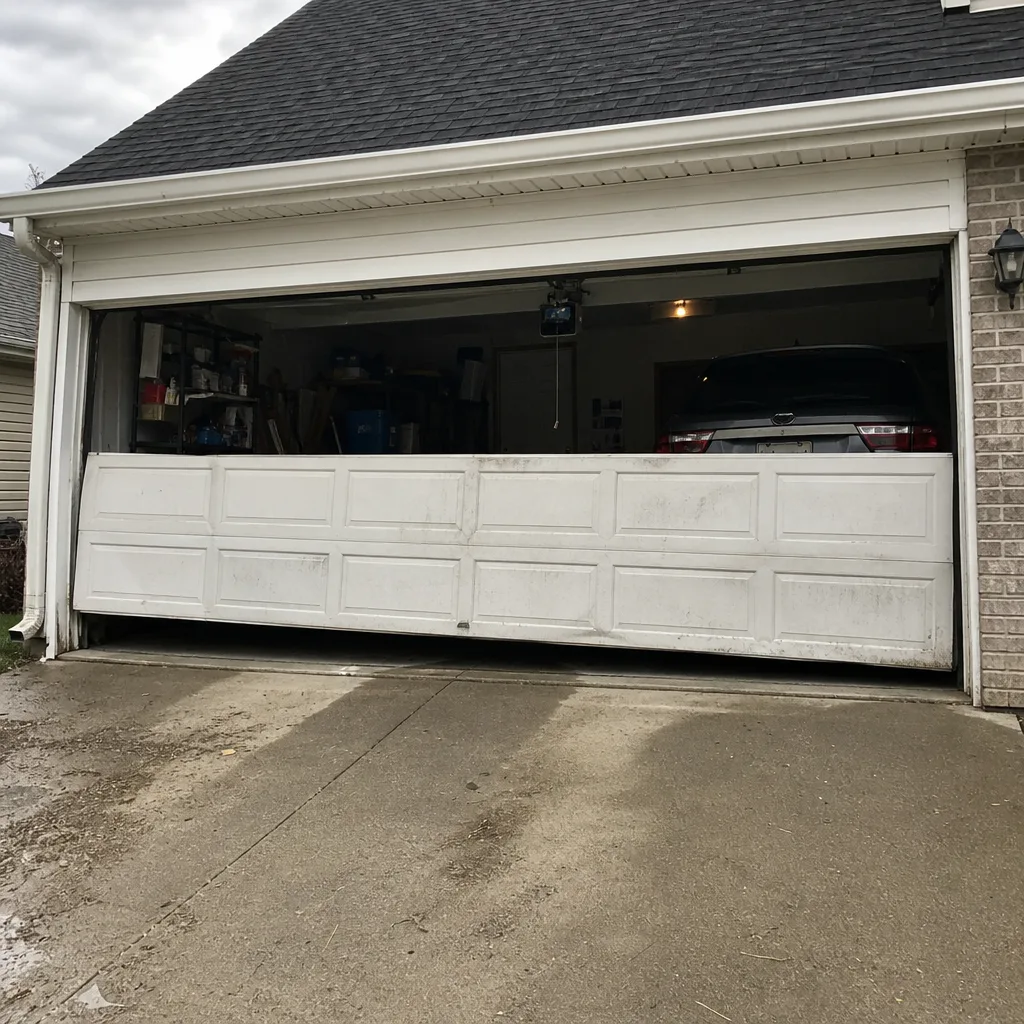 Before
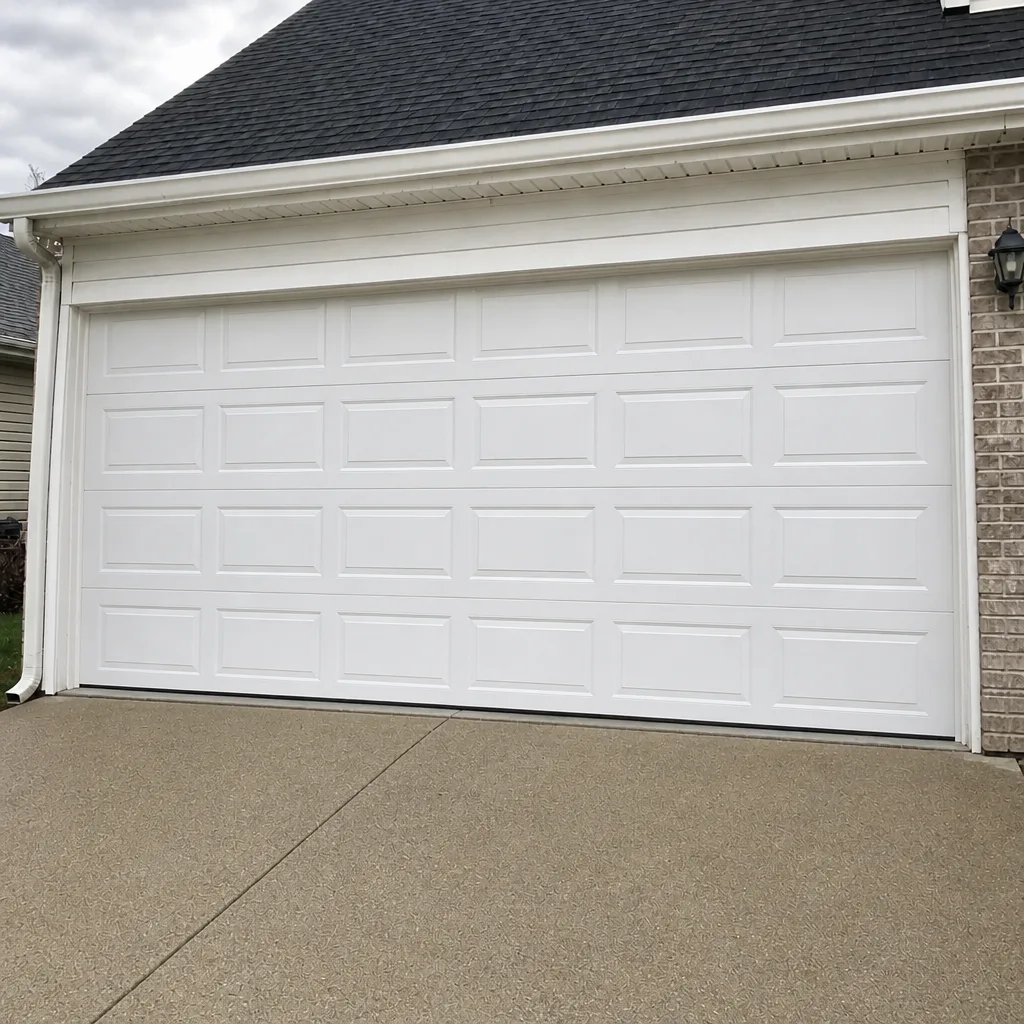 After
When to Call a Professional
Some seasonal tasks are safe to do yourself: lubrication, visual inspection, and checking the bottom seal. Others aren’t. Call a professional if you notice a broken spring, a cable that’s come off its drum, a door that’s off its track, or an opener that’s making grinding or popping sounds. Any door that leaves your garage unsecured or traps your vehicle needs immediate attention – that’s an emergency call, and we treat it as urgent.
If you’re not sure whether something is a real problem, that’s also a reason to call. Fishers Garage Door Repair Pros offers free estimates in Fishers – call (855) 651-5310. We can look at the door, tell you what we see, and quote the work before anything starts. No surprises on the invoice.
For full new-door installation, the timing is different – that’s measured, ordered, and scheduled rather than same-day. If your door is nearing the end of its useful life and you’re weighing repair against replacement, a garage door installation consultation can help you decide which makes more sense for your situation. We handle all five core services – repair, opener repair, spring repair, installation, and emergency calls – so you won’t need a second company if your needs change.
Frequently Asked Questions
October is the best time for a full inspection because it’s before the freeze-thaw cycle starts. Fishers averages 17 freeze-thaw cycles between November and March, and catching worn hardware before that stress begins prevents most winter failures. A second shorter check after the last hard freeze in spring catches damage the winter caused.
Cold thickens the lubricant, stiffens the seals, and increases friction, so the door takes a few extra seconds to open. That’s normal physics. A door that stutters, reverses, or stops halfway is not normal and needs attention – call (855) 651-5310 to schedule a diagnostic.
Lubrication is safe to do yourself. Use a garage door lubricant on hinges, rollers, and spring coils – never WD-40 on the tracks. Anything involving spring adjustment, cable work, or track realignment should go to a trained technician because of the high-tension risk.
A visible gap in the coil, a stretched section, a rust-colored wear line, or a balance test failure (door doesn’t hold position when lifted halfway by hand) all point to a spring that needs replacement. A loud pop from the garage usually means a spring has already broken – don’t operate the door, and call for emergency service.
Check for frost heave damage at the concrete threshold, spring tension loss, bottom seal compression, and any track misalignment. Run the balance test and listen to the opener through a few full cycles. If anything sounds off, it’s worth a professional look before summer heat and humidity make the problem worse.
Yes. Emergency garage door service is a core offering, not an upsell. We treat a door that won’t close, won’t open, or leaves your garage unsecured as urgent. We’re open Sunday through Friday, 7am to 7pm, and closed Saturday. Call (855) 651-5310 if your door fails and we’ll book you in as soon as we can.
The Bottom Line
Seasonal garage door care in Fishers isn’t about following a generic national checklist. It’s about understanding that the real damage happens in a narrow window – the six weeks between late October and early December – when freeze-thaw cycles hammer every metal component. An October inspection is the highest-ROI task you can do, and a spring thaw check catches the damage winter left behind. The monthly calendar in this guide is built for central Indiana specifically, not copied from a template. If you’d rather have a specialist do the inspection, our technicians have up to 9 years of experience with the brands already in your garage. Fishers Garage Door Repair Pros handles repair, opener repair, spring repair, installation, and emergency calls – one call covers it. Call (855) 651-5310 for a free estimate.
Written by the team at Fishers Garage Door Repair Pros.