Last updated November 21, 2026
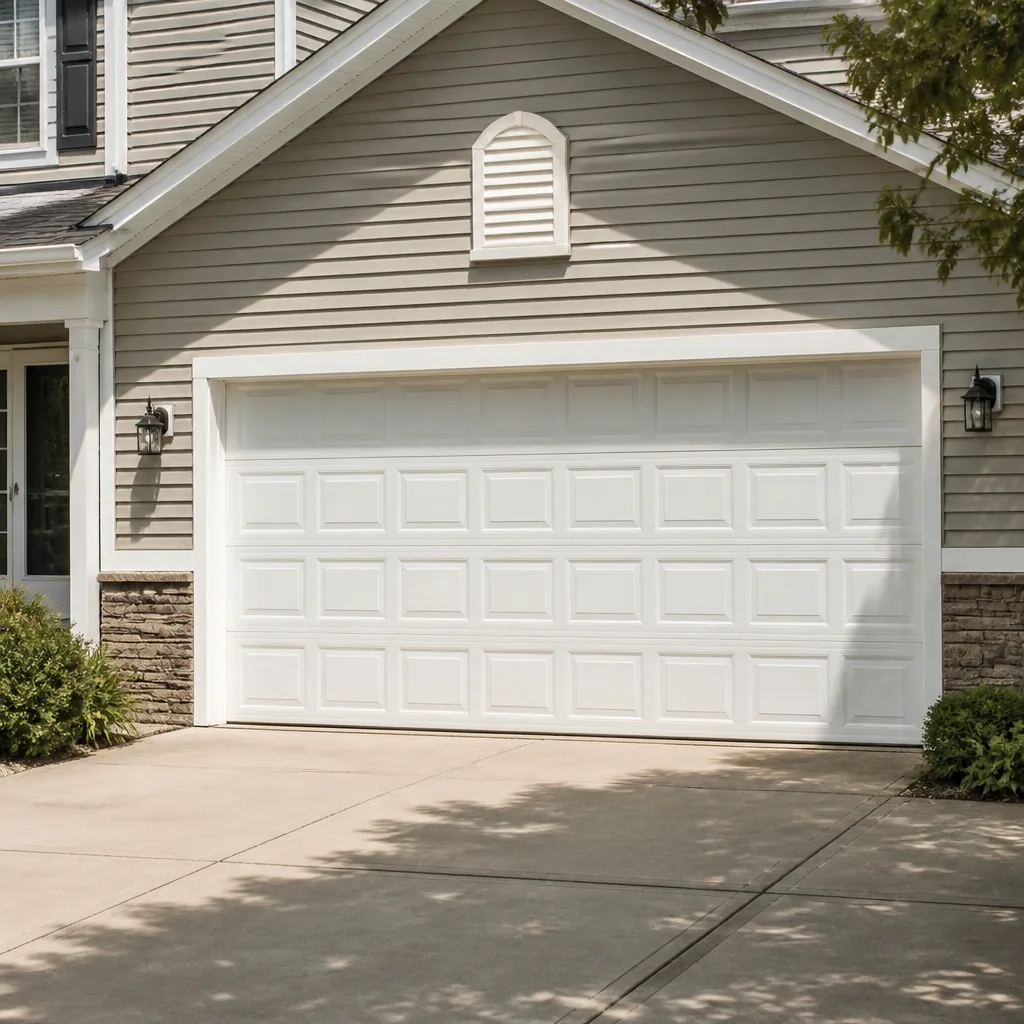 Raised-panel steel
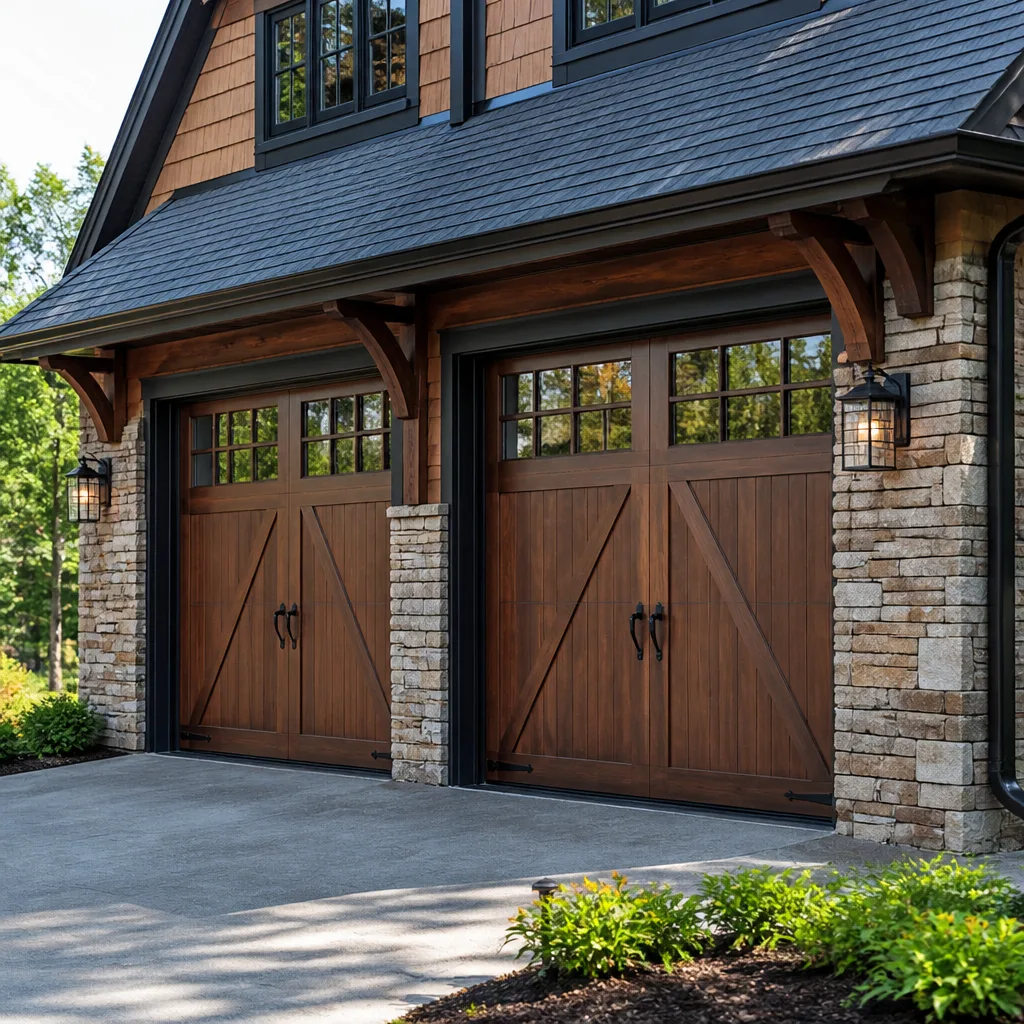 Carriage house
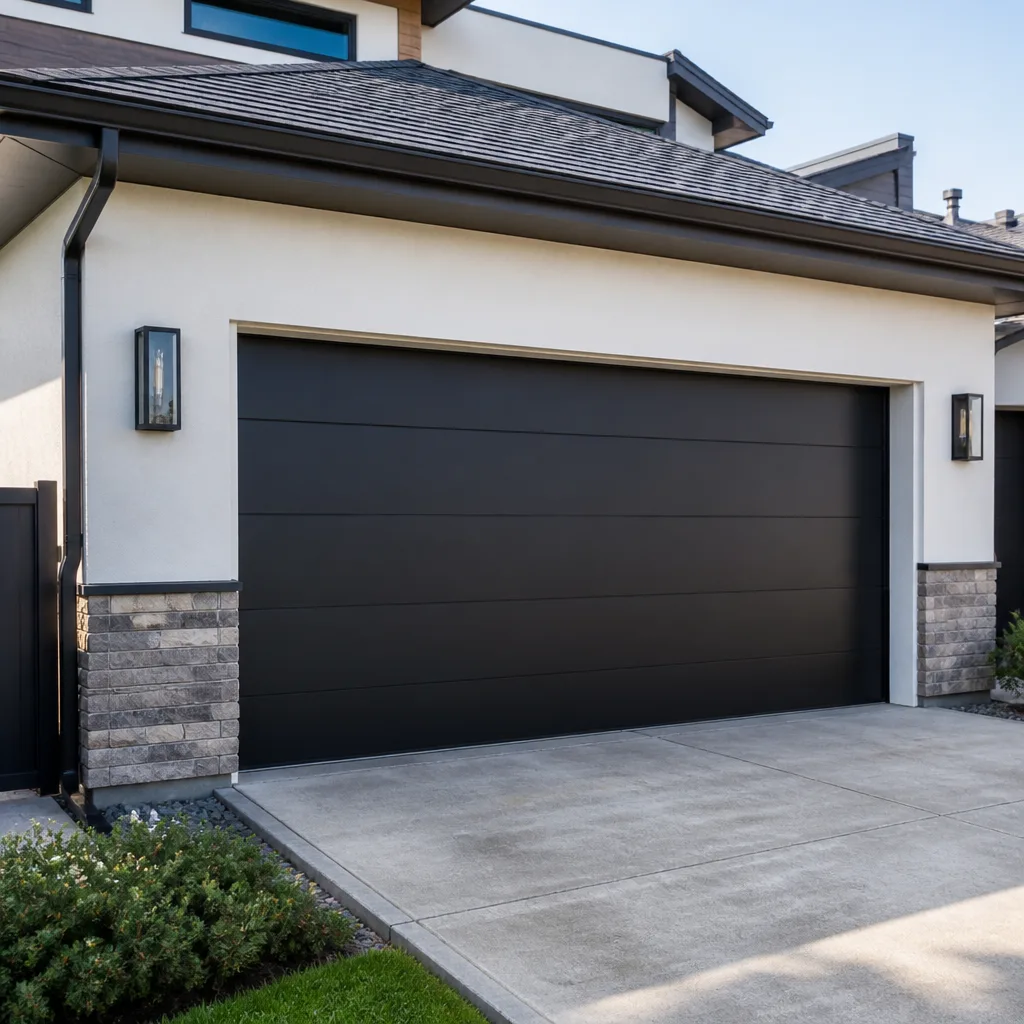 Modern flush
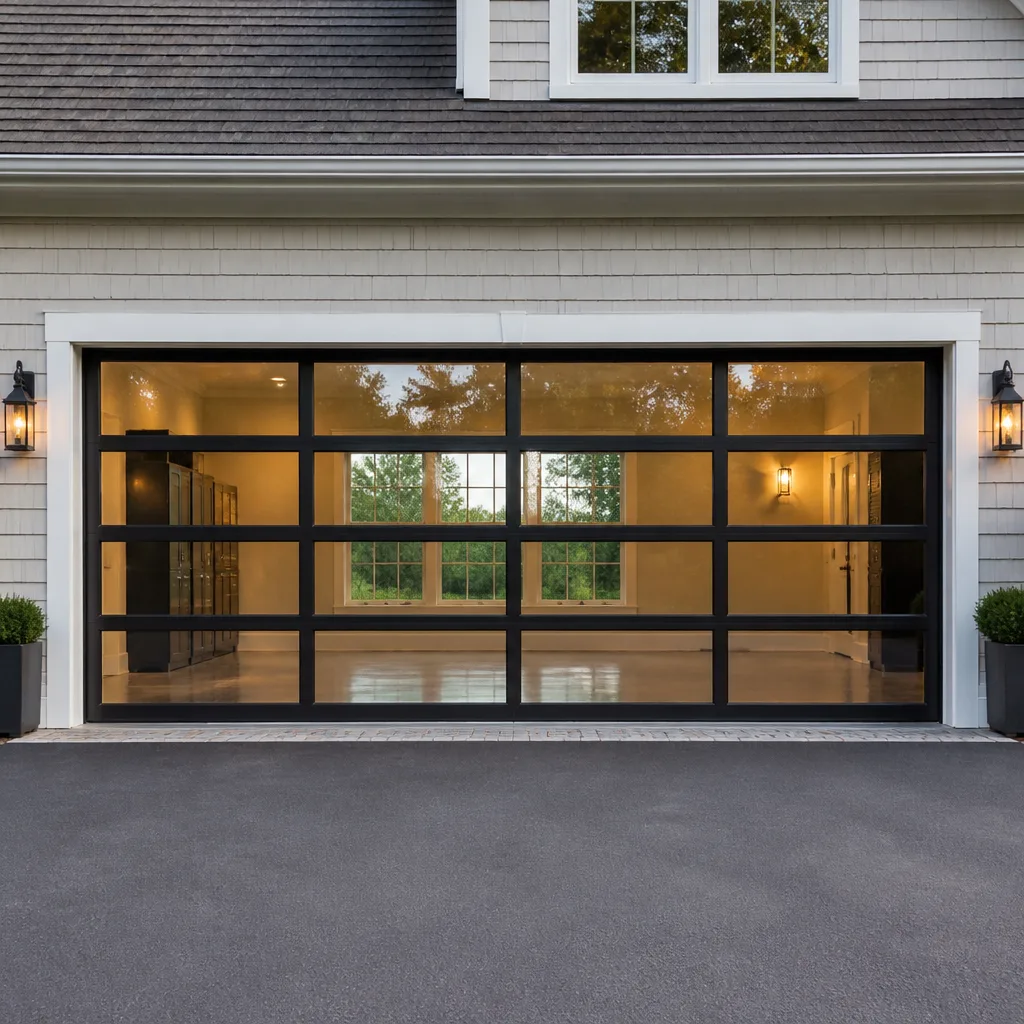 Full-view glass
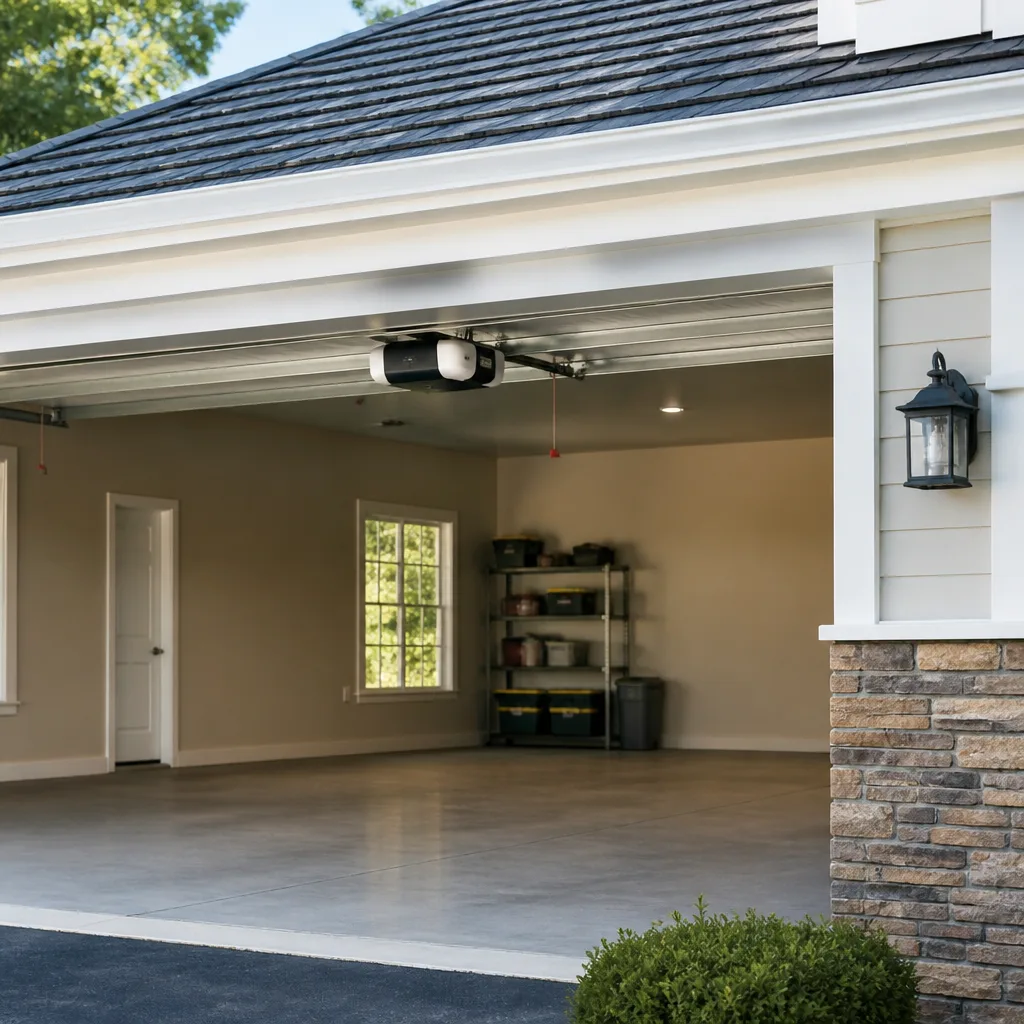 LiftMaster openers
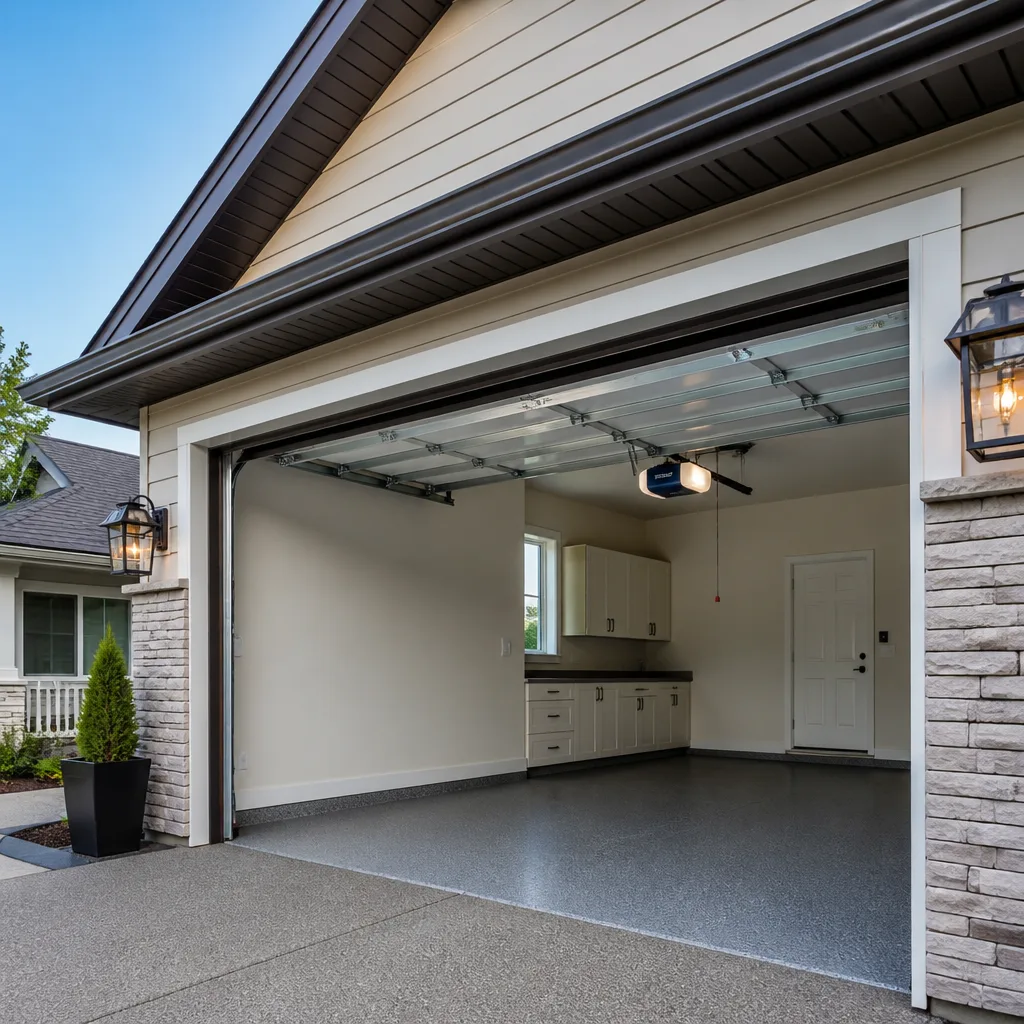 Chamberlain openers
Full 25-point door and opener safety check with every visit - springs, cables, rollers, tracks, and your LiftMaster or Chamberlain opener included
You get a price before we start. It does not change when the pro arrives.
Get your free estimateGarage Door Warning Signs: A Fishers Homeowner’s Reference Guide
Most homeowners wait for the loud bang. The spring snaps, the door slams down, and only then do they call for help. But the signs that matter most in a Fishers garage rarely announce themselves that way. A door that takes two seconds longer to respond than it used to isn’t just an annoyance – it’s often the first measurable sign that a torsion spring is losing tension and has weeks, not months, before it fails completely. The same goes for a faint grinding noise you’ve started to tune out or a cable that looks a little loose. This guide teaches you to recognize the signal behind the symptom, so you can schedule a repair on your terms instead of dealing with an emergency on the door’s terms. We’ll cover what sounds are normal, what aren’t, and how to read your door’s behavior before something breaks.
Quick Answer
The most common garage door warning signs in Fishers are a door that moves slower or feels heavier than usual, grinding or snapping sounds during operation, a door that reverses before closing, visible cable fraying or slack, and gaps or sagging panels. Signs that mean stop using the door immediately include a snapped spring, a cable hanging loose off its drum, or a door that won’t stay up on its own. When you spot a subtle change, it usually means a repair is due soon, not that the door is about to collapse – but that window closes faster than most people expect.
Styles & brands we work with
- Raised-panel steel
- Carriage house
- Modern flush
- Full-view glass
- LiftMaster openers
- Chamberlain openers
Table of Contents
- What Normal Garage Door Sounds Actually Sound Like
- Sounds That Point to Specific Hardware Failure
- Visual Signs You Can Safely Check Without Touching Anything
- Reading Opener Behavior: Hesitation, Reversal, and Grinding
- Warning Signs Specific to Fishers Door Systems
- The Severity Tier System: Schedule Soon vs. Call Today
- How Indiana Seasons Affect Your Door
- Simple Checks That Catch Problems Early
What Normal Garage Door Sounds Actually Sound Like
A healthy garage door is not silent. It’s a mechanical system with steel rollers moving through steel tracks, driven by a motor and balanced by springs under load. It will make noise. The question isn’t whether your door makes sound – it’s whether the sound has changed.
Normal operation in a Fishers garage sounds like a steady, low hum from the opener motor, a soft rolling rumble as the rollers travel the track, and a gentle thud when the door meets the floor or the header. You’ll hear the chain or belt on a chain-drive or belt-drive opener, and a belt drive should be noticeably quieter than a chain. All of that is expected. What matters is consistency. A door that has sounded the same for a year and suddenly sounds different is telling you something.
Here’s the distinction that trips people up: volume alone doesn’t indicate a problem. A stamped-steel door in a two-car garage is going to be louder than a well-insulated door, and some of that is just the nature of the panel. But a sound that is new, or a sound that has gradually gotten worse over several weeks, is worth paying attention to. The reason this matters is that mechanical wear is almost never sudden. A roller that’s losing its bearing gets louder before it seizes. A track that’s slightly out of alignment starts to scrape before it binds. If you catch that transition early, it’s a small fix.
What we’ve learned working on doors across Fishers is that most homeowners normalize sound changes without realizing it. The door gets a little louder every week, and by the time it’s genuinely bad, they can’t remember when it started. If you’re not sure whether your door sounds different, stand in the garage and listen for a full open and close cycle with fresh ears. If anything makes you pause, that’s your cue to look closer.
Sounds That Point to Specific Hardware Failure
Once you know what normal sounds like, the abnormal ones become easier to identify – and each one tends to point to a particular component. We’re describing these so you know what to listen for, not so you can fix them yourself. Several of these components are under serious tension, and the risk of injury is real.
- A loud snap or bang followed by a door that won’t lift: This is the classic sound of a torsion spring breaking. The door may still be up, but the springs no longer balance the weight. Stop using it. This is a call-today situation.
- A grinding or scraping that happens as the door moves up or down: Usually a roller that has lost its bearing or a track that has shifted out of alignment. It gets worse over time and can damage the track if ignored.
- A high-pitched squeal during travel: Often dry or worn rollers, or a torsion tube that needs lubrication at the bearing plates. This one is usually a maintenance issue rather than an emergency, but it’s an early warning worth acting on.
- A popping or cracking sound from one side of the door: Often a cable that has jumped its drum or a hinge that’s coming loose. Popping is a sign of something shifting under load.
- A rattle that’s gotten progressively louder: Loose hardware – hinges, brackets, or roller stems. Mild at first, but rattling hardware accelerates wear on everything around it.
One more thing to listen for: the sound of the opener motor straining. If your LiftMaster or Chamberlain opener sounds like it’s working harder than it used to, that’s not the opener’s fault. It’s the door telling you something has changed in the balance or travel. We work on the brand already in your garage, so when a Genie or Raynor opener starts to strain, we can usually trace it back to the door itself.
Visual Signs You Can Safely Check Without Touching Anything
You can learn a lot about your door’s health by looking at it, and you can do that without putting your hands near anything dangerous. The key rule: observe, don’t touch. Springs, cables, and drums are under load even when the door is closed, and the safest thing you can do is look from a distance and call a professional when something looks wrong.
- Look at the springs above the door. With the door closed, glance at the torsion spring (the horizontal coil above the door) or the extension springs (the long springs running along the tracks on either side). Look for visible gaps in the coil, a spring that has clearly separated, or heavy rust. A gap in a torsion spring means it has broken.
- Check the cables for fraying or slack. Cables should be taut and run cleanly along their drums. A cable with visible frayed strands, a kink, or any slack is a stop-using-the-door sign.
- Check the door panels for cracks or separation. Run your eyes down each panel seam. Any crack radiating from a hinge point or a visible gap between panels is worth flagging.
- Look at the tracks for bends or dents. Stand back and sight down each track. A track that looks visibly bent or has a dent in it is causing drag somewhere.
- Check the bottom seal for gaps. With the door closed, look for daylight under the bottom edge. A gap means the door isn’t sealing, which matters in Fishers winters.
- Inspect the hinges for rust or looseness. Hinges that look corroded or have backed-out screws are a sign of wear, and they’re a common source of the rattling noise we mentioned.
If you see something that concerns you, don’t try to adjust, tighten, or lubricate a spring or cable. What looks like a small adjustment to a loaded component can release stored energy in a dangerous way. That’s why dedicated spring repair is its own specialty, and why we treat it as safety-critical work.
Reading Opener Behavior: Hesitation, Reversal, and Grinding
The opener is the brain of your system, and it’s constantly reporting on the door’s condition through how it behaves. Most homeowners write off opening and closing quirks as “the opener being fussy.” In our experience, opener behavior is one of the most reliable diagnostic clues you have.
Hesitation. If the door pauses for a beat before moving, or the opener seems to struggle at the very start or end of travel, that’s usually a sign of increased resistance. Often it’s a spring that’s lost tension, which means the opener is doing more of the lifting than it should. A LiftMaster or Chamberlain unit that has started hesitating is often responding to a door problem, not a motor problem.
Reversal. If the door reverses before it fully closes, or reverses on the way up, that’s the safety system doing its job. Modern openers use sensors and force limits to detect obstruction. When the door reverses when there’s nothing in the way, it usually means the door is binding, the force setting is off, or the sensors are misaligned. Don’t disable the safety feature to stop the reversal. That defeats the protection that stops doors from closing on people or objects. Call for garage door opener repair and let a technician diagnose the cause.
Grinding from the opener unit itself. If the grinding is coming from the opener head rather than the door track, it may be the drive gear or chain. A Genie or Raynor opener with a worn drive gear will grind on every cycle and eventually stop moving the door at all.
Inconsistent operation. A door that works fine in the morning and then won’t open in the afternoon is usually telling you about temperature-related expansion or a component on the edge of failure. We’ll cover that more in the seasonal section below.
These behaviors are diagnostic, not random. Every one of them points to something specific, and a technician who knows your opener brand can usually narrow down the cause quickly.
Warning Signs Specific to Fishers Door Systems
If you live in a Fishers subdivision, the odds are good that your door is a stamped-steel sectional model in a painted finish. Many of the homes built across neighborhoods like Sandstone and Cumberland Trace have doors that share common construction, and that construction has specific failure points worth knowing.
The first is the flex point. Steel panels on many common residential doors are formed with a slight rib or emboss across the face for rigidity. Over hundreds of cycles – and in a busy Fishers household, that’s every single day – the panel can develop a flex at the points where it’s thin or where it meets the hinge. You’ll often see it first as a faint line or a slight wave in the panel, usually near a hinge location. Left alone, that flex can turn into a crack. Once a panel cracks, it loses structural integrity, and the whole door can start to sag or bind. That’s the point where a repair becomes a replacement.
The second is at the bottom panel. Fishers winters bring road salt into the garage on car tires, and that salt sits on the bottom panel and its steel hinge points through the winter. Salt accelerates corrosion, and the bottom panel is where that corrosion starts. If you’re seeing bubbling paint or rust creeping along the bottom edge, that’s a warning sign worth acting on before it compromises the panel.
The third is at the track brackets. Fishers homes sit on soil that shifts with the freeze-thaw cycle, and garage slabs move slightly as that happens. That shifting can nudge a track out of plumb, which shows up as a scraping sound or as a door that starts leaning slightly toward one side. It’s not a dramatic event – it’s a slow drift – but it’s worth catching early.
The brands in our service lineup – including Clopay and Amarr, both common in this area – all have their own panel and track construction, and each one has its quirks. Getting a technician who’s familiar with the brand already in your garage saves the diagnostic guesswork.
The Severity Tier System: Schedule Soon vs. Call Today
Not every warning sign is an emergency. Some mean you should book a repair in the next few days. Others mean stop using the door immediately. Here’s how we’d sort the signs you’ve just learned about.
Tier 3 – Call today, stop using the door
- You heard a snap and the door won’t lift or won’t stay up.
- A spring has visibly broken – a gap in the coil, or a coil that’s completely separated.
- A cable is hanging loose, frayed, or off its drum.
- The door is hanging crookedly with one side visibly lower than the other.
- Anything that leaves your home unsecured, or traps a car inside.
These situations are where emergency garage door service matters. A door stuck open with the house unsecured or a vehicle pinned in the garage isn’t something to put off until next week.
Tier 2 – Schedule a repair soon
- A grinding or scraping sound that’s new or getting worse.
- The door hesitates before moving, or sounds like it’s working harder.
- The opener reverses on its own when nothing is in the way.
- Visible rust on springs, hinges, or the bottom panel.
- A slight lean or a door that’s harder to lift by hand than it used to be.
- A bottom seal gap that lets daylight or weather in.
These are the signs that tend to become Tier 3 if you wait. A grinding roller will eventually seize. A weakening spring will eventually snap. Getting ahead of it turns a small repair into a scheduled visit rather than an emergency call.
Tier 1 – Monitor and maintain
- A faint squeak that’s consistent.
- Mild rattling from loose hardware.
- Slight cosmetic wear on panels.
- Inconsistency that happens only on very cold mornings.
Tier 1 is where a simple check-up catches problems before they grade up. If you’re not sure which tier a sign falls into, describe it to us over the phone and we’ll help you sort it out.
How Indiana Seasons Affect Your Door
Fishers sits in a climate that cycles between hot, humid summers and cold winters with freeze-thaw swings in between. That matters because garage doors are made of materials that respond to temperature, and the seasonal stress on a door is real.
In summer, humidity swells wood frame sections and can cause metal components to expand slightly, which occasionally changes track alignment by a fraction. The bigger factor is heat on the door face itself. A steel door in direct afternoon sun gets hot, and that thermal expansion can affect panel seams over time. This is a slow process, but it’s a reason to check panel seams once a summer.
Winter is harder on doors in Fishers. Cold makes metal more brittle and makes lubricants stiffer, both of which increase resistance. A torsion spring that’s already weakened is more likely to fail in cold weather, which is why spring failures tend to cluster in the colder months. The freeze-thaw cycle moves the garage slab, which can shift track brackets. And salt tracked in on tires accelerates rust on the bottom panel and hinges.
The most useful habit is to check your door at the start of each season. A door that passed scrutiny in September deserves another look in December. If you notice that your door only misbehaves on cold mornings, that’s a classic sign of a component on the edge – and it’s worth a look before it becomes a winter breakdown.
Simple Checks That Catch Problems Early
You don’t need to be handy to monitor your door. The checks below are the ones we recommend homeowners do a few times a year. None of them involve touching springs or cables.
- Do the balance test. With the door closed and the opener disengaged (there’s usually a manual release pull), lift the door by hand about halfway and let go. A properly balanced door should hold roughly in place. If it drops or rises on its own, the springs are out of balance and need a technician.
- Listen to one full cycle with fresh ears. Open and close the door and pay attention to changes. Any new sound is worth noting.
- Watch the door travel from the side. Stand back safely and watch whether it moves evenly or wobbles, leans, or binds.
- Look at your springs and cables. Visual inspection only. No touching.
- Test the safety reverse. Place a small object (like a roll of paper towels) in the door’s path and confirm it reverses when it contacts it. If it doesn’t, call for garage door repair – the safety system isn’t doing its job.
- Check the weather seal. Look for daylight or drafts under the door and replace the seal if it’s worn.
If any of these checks turns up something you don’t understand, don’t push further. A quick call to describe what you’ve noticed usually costs nothing and can save a lot.
Common Mistakes to Avoid
- Ignoring a sound because the door still works. A door can operate for weeks on a failing component. The fact that it still opens doesn’t mean it’s safe – it means the failure hasn’t happened yet.
- Attempting to adjust a torsion spring yourself. This is the single most dangerous thing a homeowner can try on a garage door. Torsion springs store enormous force, and the tools used to wind them can cause serious injury if mishandled. Spring repair is dangerous work; our technicians are trained specifically for it.
- Turning off the safety reverse to stop the door from reversing. If your door keeps reversing, the fix is to diagnose why, not to disable the protection. Disabling the safety reverse removes the feature that stops the door from closing on a person or a pet.
- Using a general handyman for a spring job. Many generalists decline spring work outright, and the ones who take it sometimes don’t have the training for high-tension systems. A dedicated spring repair service exists because this is a specialty, not a side task.
- Waiting until winter to address a summer symptom. In Fishers, a mild issue in July can become a cold-morning failure in January. Getting ahead of the seasonal change is easier than reacting to it.
- Skipping lubrication because it “seems fine.” Rollers, hinges, and the torsion tube bearing plates benefit from periodic lubrication. Dry rollers wear faster and get noisy sooner.
- Assuming a new opener will fix a door problem. If the door is binding, straining, or reversing, the opener is usually reporting a door issue. Replacing the opener without addressing the door just puts a new motor on the same problem.
See the difference
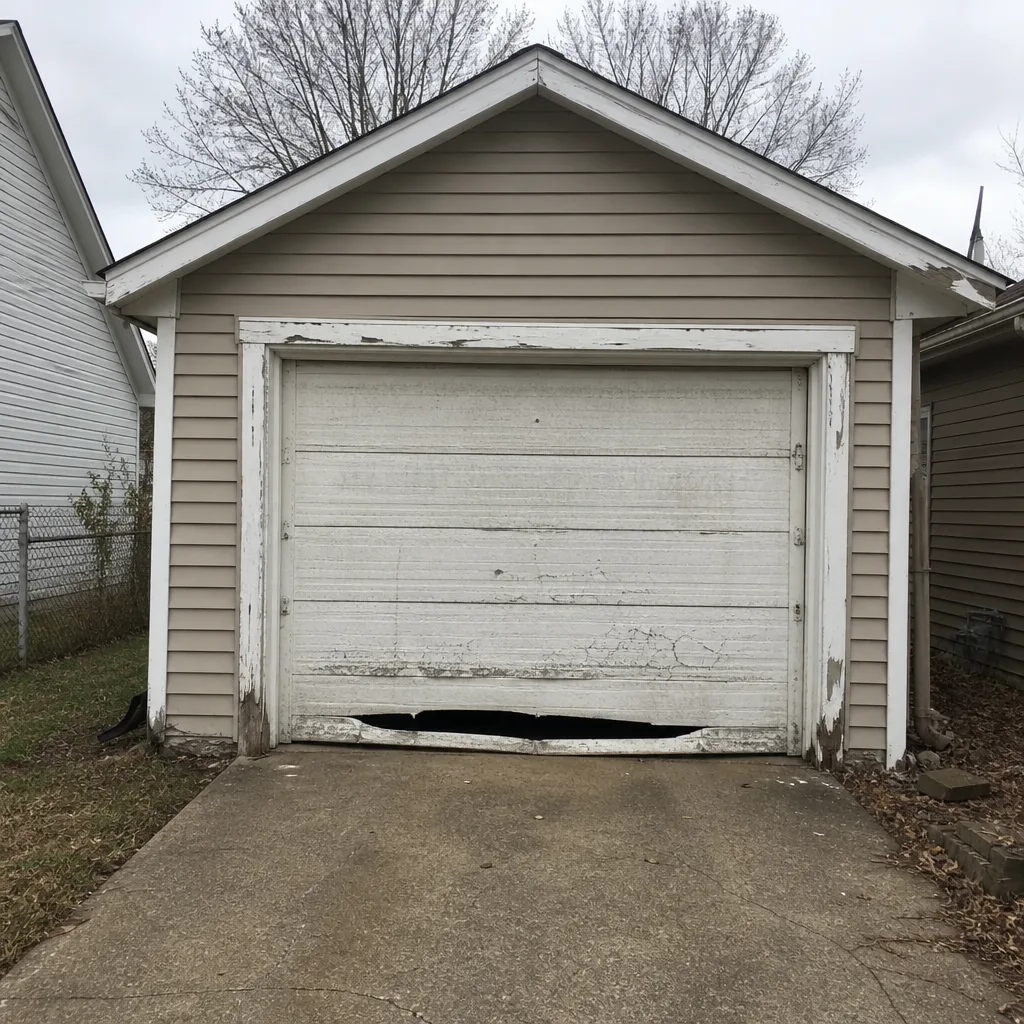 Before
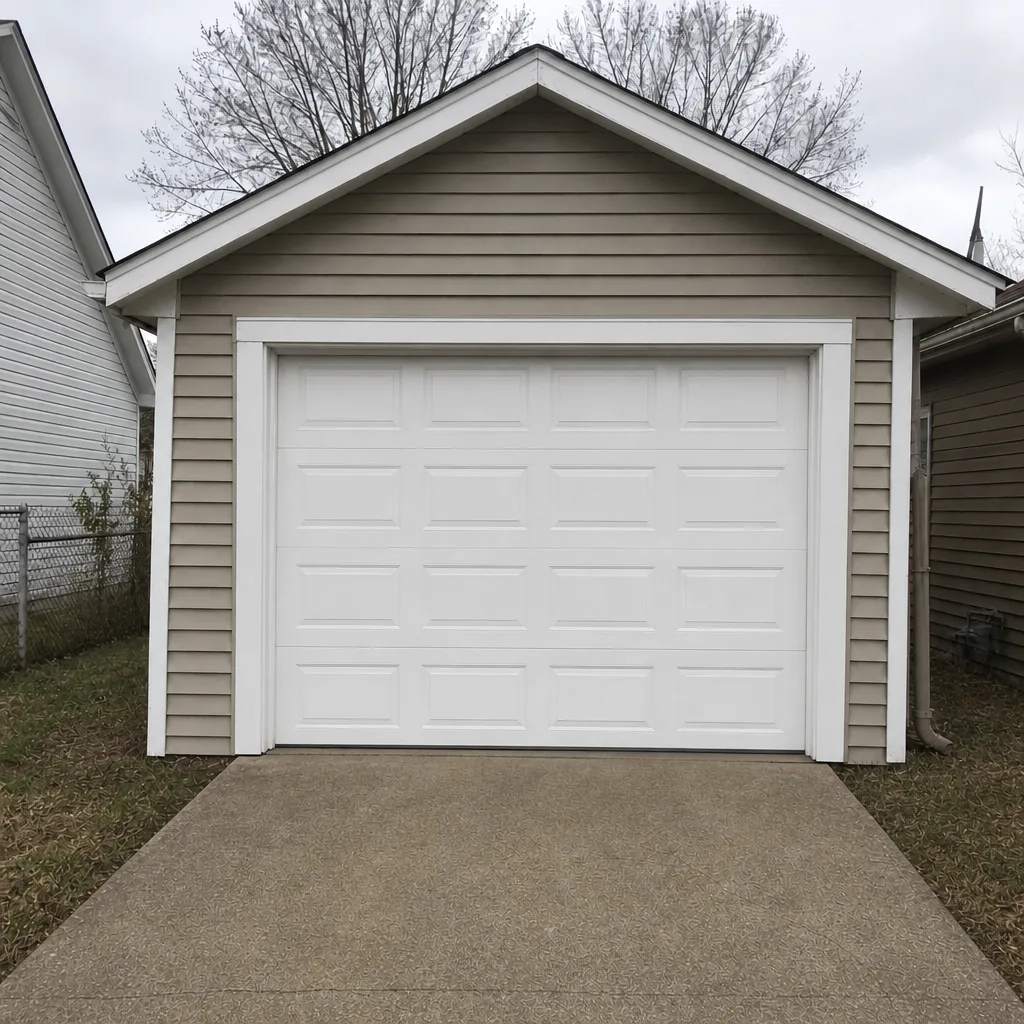 After
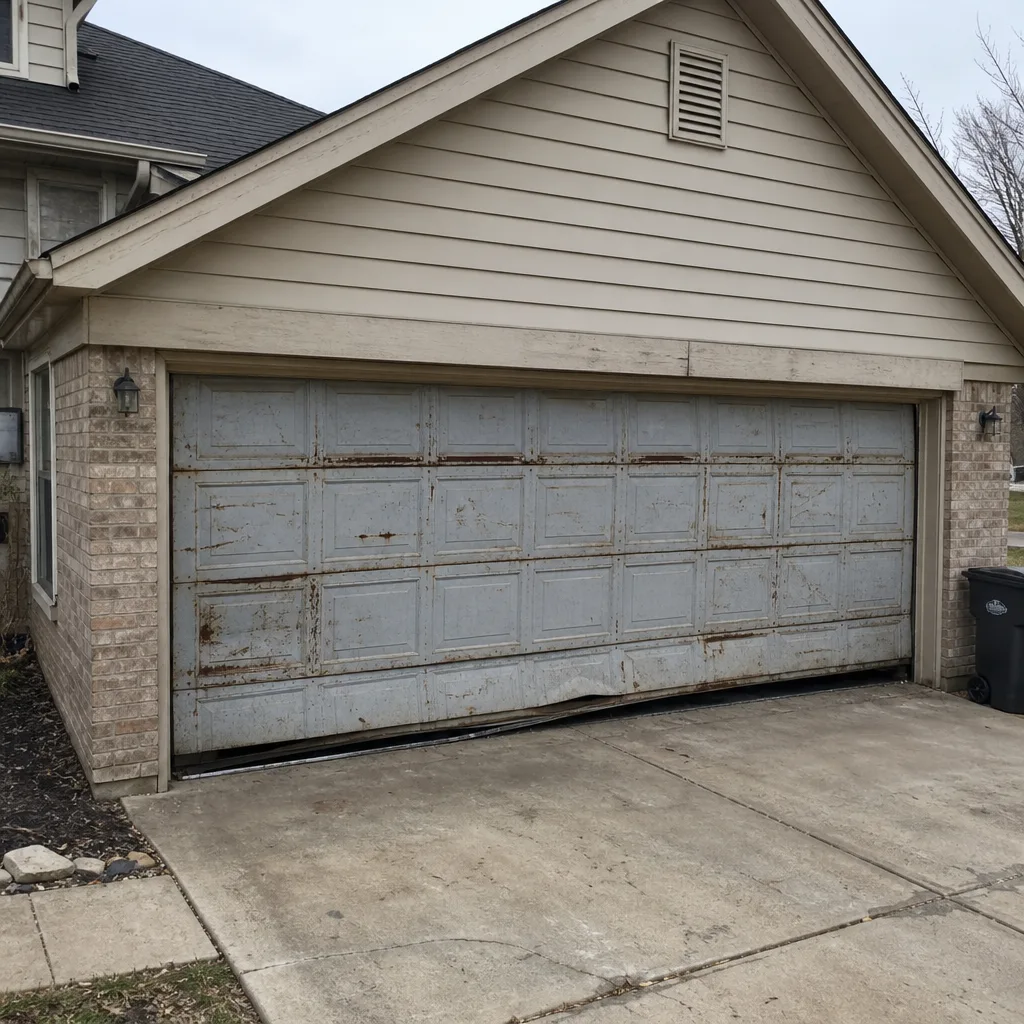 Before
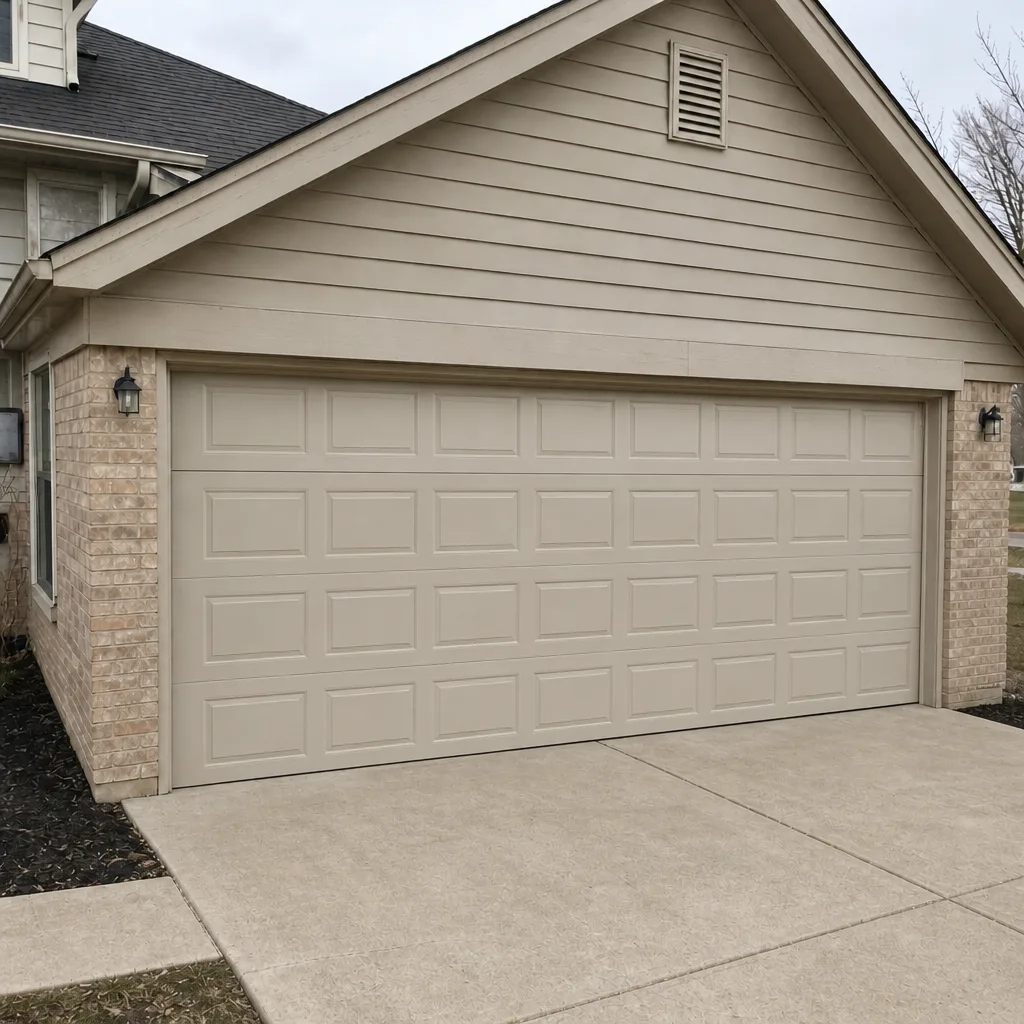 After
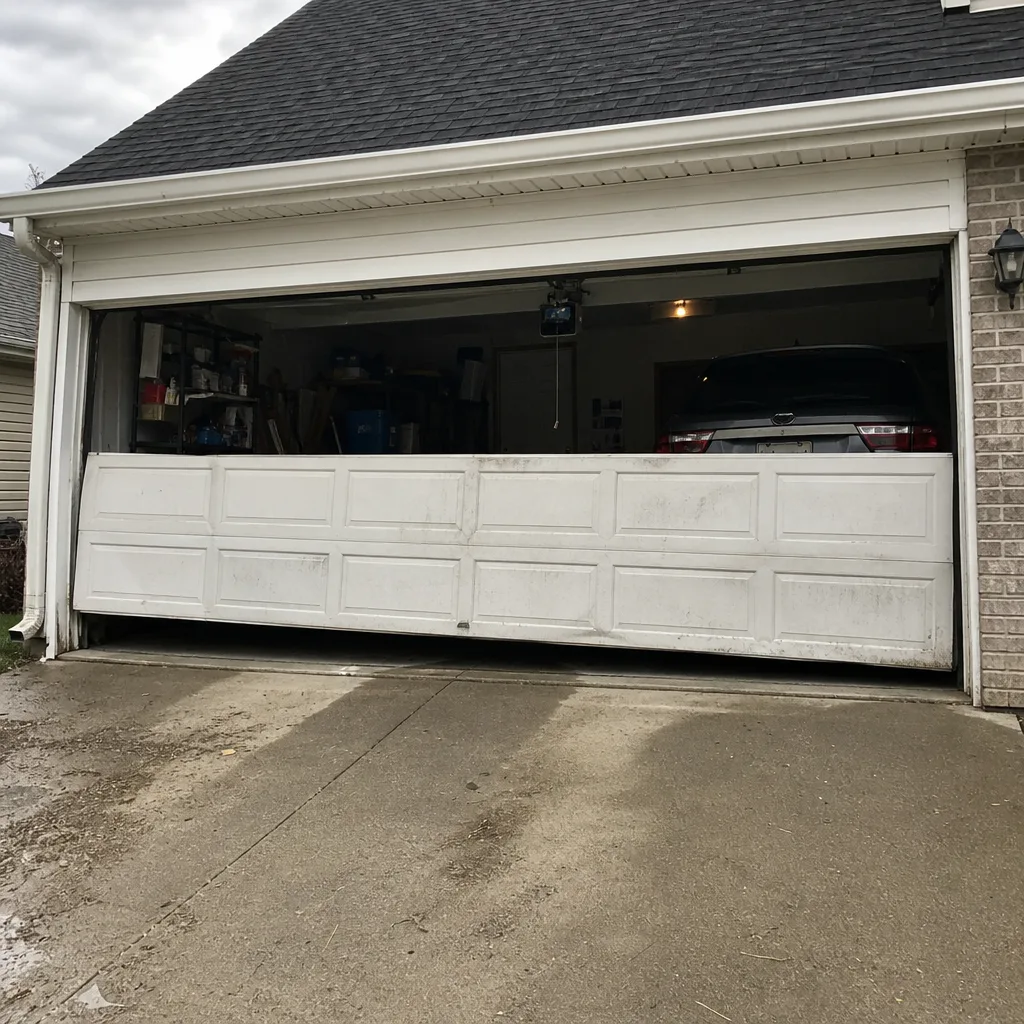 Before
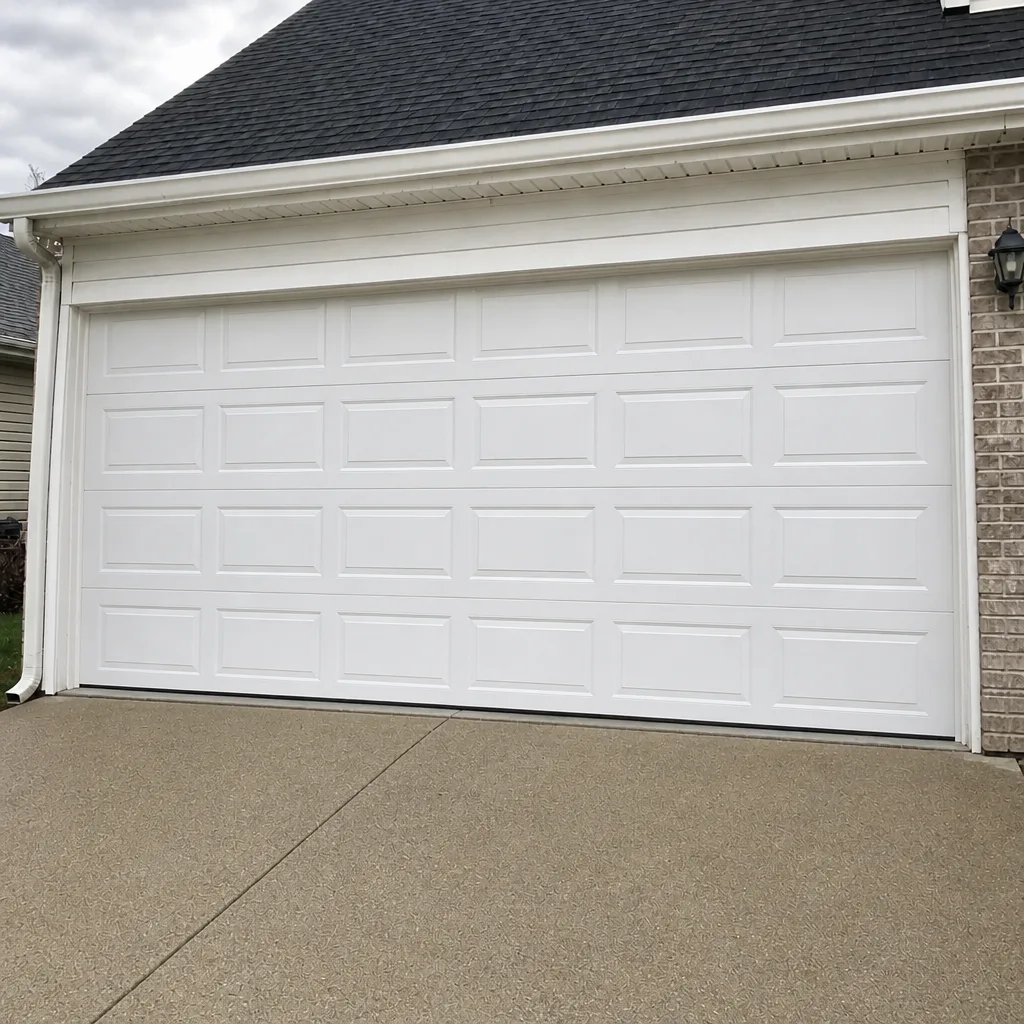 After
When to Call a Professional
Call a professional if you’ve heard a snap or bang, seen a broken spring or a loose cable, noticed the door hanging crooked, or found that the door won’t stay up on its own. Call if the door reverses on its own when nothing is in the way, or if a grinding or scraping noise is new or getting worse. And call if a warning sign leaves your home unsecured or a vehicle trapped – those situations get treated as urgent.
For subtle signs – a slightly slower door, a faint squeal, mild rust – you don’t need an emergency response, but you shouldn’t wait indefinitely either. A scheduled visit catches these problems while they’re still small. Our technicians have up to 9 years of experience and work on the brand already in your garage, including LiftMaster, Chamberlain, Genie, and Raynor systems.
Fishers Garage Door Repair Pros offers free estimates in Fishers – call (855) 651-5310. We’ll look at the door, explain what we’re seeing, and give you a written price before any work starts.
Frequently Asked Questions
The most reliable sign is a door that feels heavier than usual or that hesitates before lifting, since both indicate the spring is losing tension. You may also notice a gap in the torsion spring coil, visible rust on the spring, or the door failing the balance test. Any of these means you should schedule spring repair promptly rather than wait to see if the door fails completely.
No – grinding usually points to a failing roller, a misaligned track, or a worn drive gear, and continuing to use the door accelerates damage to surrounding parts. Grinding is a “schedule a repair soon” sign rather than a “stop today” sign, but it should be addressed within days rather than weeks. Call (855) 651-5310 to book a visit.
Reverse on close usually means the door is binding, the force setting is off, or the safety sensors are misaligned, and it’s the opener’s safety system responding to resistance. Don’t disable the safety reverse. Call for garage door repair so a technician can find the actual cause. Estimates are free.
Yes – cold makes metal more brittle, stiffens lubricants, and increases resistance in the springs and tracks. A weakened torsion spring is more likely to snap in cold weather, and the freeze-thaw cycle can shift track brackets. If a sign shows up in fall, it’s worth fixing before the cold sets in.
Repair costs depend on the part and the door type, so we quote each job by estimate rather than a flat rate. The written estimate sets the final price, and we agree on it before any work starts. Call (855) 651-5310 for a free estimate.
We’re certified to work on 8 leading brands – LiftMaster, Chamberlain, Genie, Clopay, Amarr, Wayne Dalton, Craftsman, and Raynor – so technicians arrive already familiar with the system in your driveway. If you have a different brand, call and we’ll let you know what’s possible. Estimates are free.
The Bottom Line
The signs that matter most aren’t the dramatic ones. They’re the subtle changes – the two-second delay, the new grinding sound, the panel flex you’ve stopped noticing. Catching those signs early is what turns a scheduled repair into a small fix instead of an emergency call. Learn the difference between normal mechanical noise and the sounds of hardware failure, do the simple checks a few times a year, and use the severity tiers to decide whether a sign means “book it soon” or “stop using the door.” Garage doors only is what we do, from repair and opener work to installation and emergency response, and one call covers it. Call (855) 651-5310 for a free estimate.
Written by the team at Fishers Garage Door Repair Pros.